



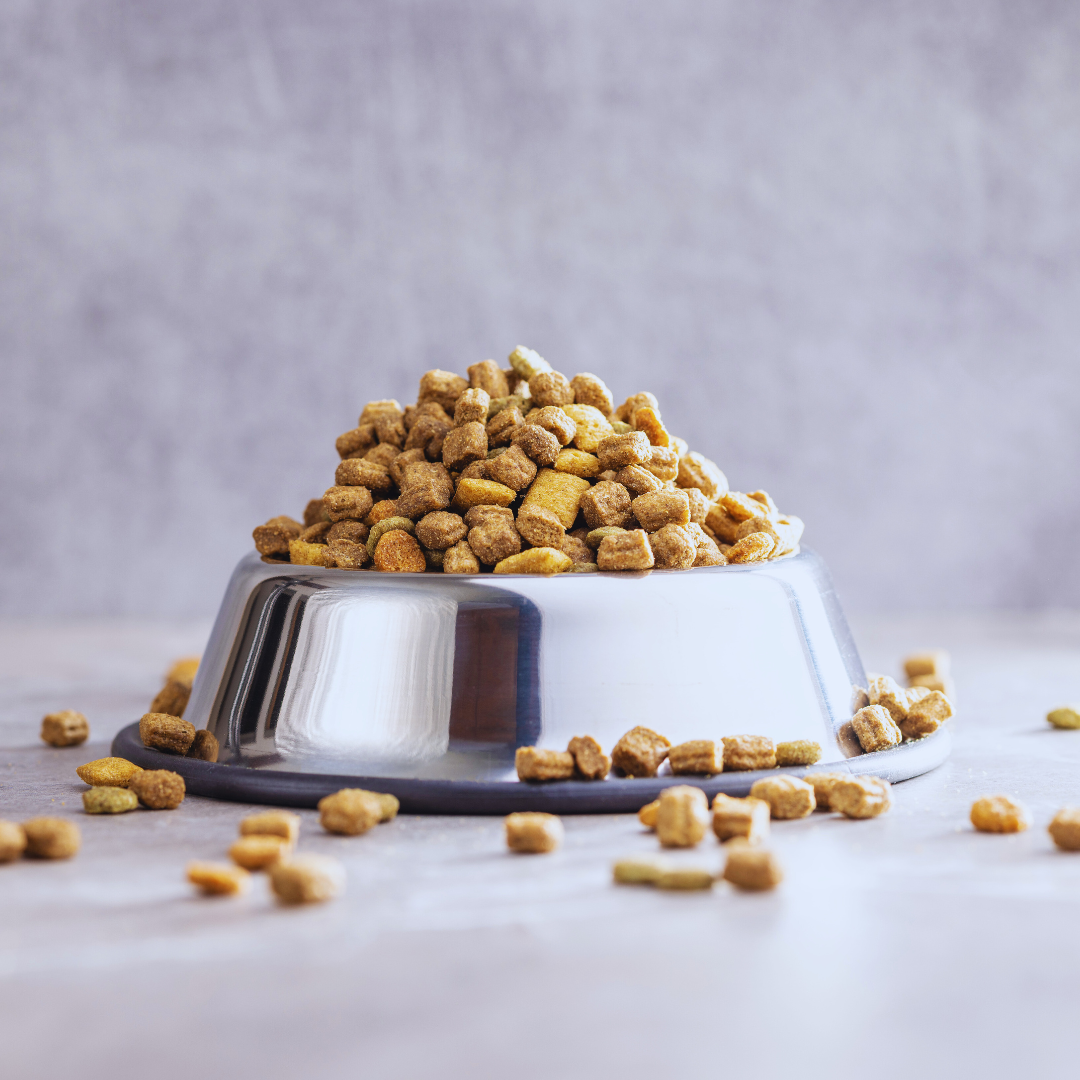
DIY pet treats are a rewarding way to ensure that pets enjoy wholesome, tasty snacks made from safe, nutritious ingredients. Crafting homemade treats allows pet owners to control what goes into their pets’ diets, avoiding unwanted additives and allergens commonly found in commercial products. This not only supports better health but also fosters a deeper connection between pets and their owners.
Making treats at home can be quite simple and often requires standard kitchen ingredients. Many recipes require minimal preparation time, making it easy for anyone to engage in this enjoyable activity. From biscuits to chewy goodies, the variety of homemade pet treats can cater to different tastes and dietary needs.
Exploring the world of DIY pet treats also offers an opportunity for pet owners to express their creativity. They can experiment with flavours and shapes that their pets love, tailoring each recipe to suit their furry friends perfectly. With the right guidance and a few basic recipes, creating customised snacks becomes a fun and fulfilling endeavour.
Understanding Canine Nutrition
Proper nutrition is vital for a dog’s health and well-being. Homemade treats provide control over ingredients, ensuring pets consume nutritious, tasty snacks tailored to their dietary needs.
Benefits of Homemade Treats
Homemade treats offer several advantages. Firstly, owners can select high-quality ingredients, allowing them to avoid preservatives and artificial additives. This control can lead to improved digestion and overall health.
Secondly, homemade treats can cater to specific dietary requirements. For instance, dogs with allergies or sensitivities can benefit from customised recipes that exclude problematic ingredients.
Additionally, preparing treats at home can be more cost-effective than buying premium commercial products. Simple recipes, such as peanut butter biscuits or carrot chews, can easily be made with everyday ingredients while ensuring dogs enjoy healthy snacks.
Nutritional Requirements for Dogs
Understanding a dog’s nutritional needs is essential for creating balanced treats. Dogs require a blend of proteins, carbohydrates, vitamins, and minerals to thrive.
- Proteins: Crucial for muscle development and repair. Good sources include lean meats, fish, and eggs.
- Carbohydrates: Provide energy. Whole grains, vegetables, and fruits are beneficial options.
- Fats: Important for skin and coat health. Healthy fats come from sources like fish oil and flaxseed.
- Vitamins and Minerals: Essential for various bodily functions; fresh vegetables and fruits can enrich homemade treats.
By combining these components in balanced recipes, such as pumpkin and chicken bites, owners can ensure their dogs receive nutritious snacks that contribute to their overall dietary needs.
Popular Dog Treat Ingredients
Selecting the right ingredients for DIY dog treats is crucial. Key factors include the safety, nutritional value, and taste appeal of the components chosen. This section discusses essential considerations for ingredient selection and highlights popular options for protein sources, as well as fruits and vegetables that can enhance dog treats.
Choosing Safe and Healthy Ingredients
Safety is paramount when selecting ingredients for dog treats. Many commonly used items are perfectly safe, like peanut butter, provided they do not contain xylitol, which is toxic to dogs.
Yogurt can be a beneficial addition, as long as it is plain and free from artificial sweeteners.
Incorporating gluten-free flour options, such as rice flour or oat flour, ensures that dogs with sensitivities can enjoy homemade treats.
Bacon dog treats should be made in moderation due to their high-fat content, while alternative ingredients like sweet potatoes or carrots can enhance nutrition without excess calories.
Exploring Protein Options
Protein is vital for a dog’s diet, and various ingredients can provide it in DIY treats.
Chicken dog treats are popular and easy to prepare, as chicken is a lean source of protein. For those seeking variety, bacon can also be used sparingly to introduce flavour and boost protein content.
Cheesy bone treats combine cheese with other ingredients, delivering calcium and a taste that many dogs love.
Additionally, for a unique option, banana almond puppy treats offer protein and healthy fats, making them a wholesome choice for growing pups.
The Role of Fruits and Vegetables
Incorporating fruits and vegetables into dog treats adds essential vitamins and minerals.
Pumpkin carrot bites are excellent for digestive health, as both ingredients are rich in fibre.
Sweet potato fries for dogs serve as a tasty treat while providing nutrients that support eye health.
Apple carrot dog treats can add natural sweetness, enticing dogs without excess sugar. Snacks such as carrot peanut butter pupcakes combine the health benefits of vegetables with a flavour dogs adore.
This variety not only enhances the nutritional profile of treats but also ensures dogs enjoy a range of flavours and textures.
Step-by-step Recipes for DIY Dog Treats
Making homemade dog treats is a rewarding way to ensure pets enjoy healthy snacks. This section provides detailed methods for baking dog biscuits, preparing frozen delights, and creating soft treats ideal for training.
Baking Homemade Dog Biscuits
To create homemade dog biscuits, gather the following ingredients:
- 2 cups whole wheat flour
- 1/2 cup peanut butter (unsweetened)
- 1/2 cup chicken or beef broth
- 1 egg
- Preheat the oven to 175°C (350°F).
- In a bowl, mix the flour and peanut butter until crumbly.
- Add the broth and egg, mixing until it forms a dough.
- Roll the dough out to about 1 cm thick. Use cookie cutters to shape the biscuits.
- Place the shaped biscuits on a baking tray lined with parchment paper.
- Bake for 20-25 minutes until golden. Let them cool before serving.
Preparing Frozen Delights
Frozen delights are ideal for warm days. Try this simple recipe for frozen apple dog treats:
- 1 cup unsweetened apple sauce
- 1/2 cup peanut butter
- Water as needed
- In a mixing bowl, combine apple sauce and peanut butter.
- If the mixture is too thick, add water until it reaches a pourable consistency.
- Pour the mixture into silicone moulds or ice cube trays.
- Freeze for at least 4 hours or until solid.
- Pop out the treats and store them in a zip-lock bag in the freezer.
Creating Soft Treats for Training
Soft treats are especially useful for training sessions. The following recipe is simple and effective:
- 1 cup oats
- 1 cup pumpkin puree
- 1/2 cup peanut butter
- Preheat the oven to 175°C (350°F).
- Combine all ingredients in a bowl until well-mixed.
- Shape the mixture into small balls.
- Place them on a lined baking tray.
- Bake for 15-20 minutes until firm but still soft.
- Allow them to cool before using them as treats during training.
These simple recipes provide safe and nutritious options for pampering dogs with homemade treats.
Safety and Storage of Homemade Treats
Proper storage and awareness of possible allergens are crucial when making DIY pet treats. Ensuring freshness and identifying sensitivities helps keep pets healthy and happy.
Storing Treats for Freshness
To maintain the freshness of homemade treats, proper storage techniques are essential. Store them in an airtight container to prevent moisture and air exposure. A cool, dry location is ideal. For maximum shelf life, consider refrigerating or freezing treats, especially those containing perishable ingredients like meat or dairy.
Another option is to use gluten-free flour, which can contribute to a longer shelf life due to its lower moisture content. When freezing, portion treats into small batches for convenience. Label containers with the date of preparation to monitor freshness easily. Follow these guidelines to ensure treats remain delicious and safe for pets.
Identifying Allergies and Food Sensitivities
When creating homemade treats, it is important to consider potential allergies and food sensitivities. Common allergens in ingredients include wheat, dairy, and certain proteins. Be cautious if a pet has a history of adverse reactions.
Before introducing new treats, consult with a veterinarian, especially when using speciality ingredients like gluten-free flour. This flour is often well-tolerated by pets with grain sensitivities but should still be monitored. Observe pets for any signs of discomfort or allergic reactions, such as itching, stomach upset, or changes in behaviour. A gradual introduction of new treats can help identify any issues early.