


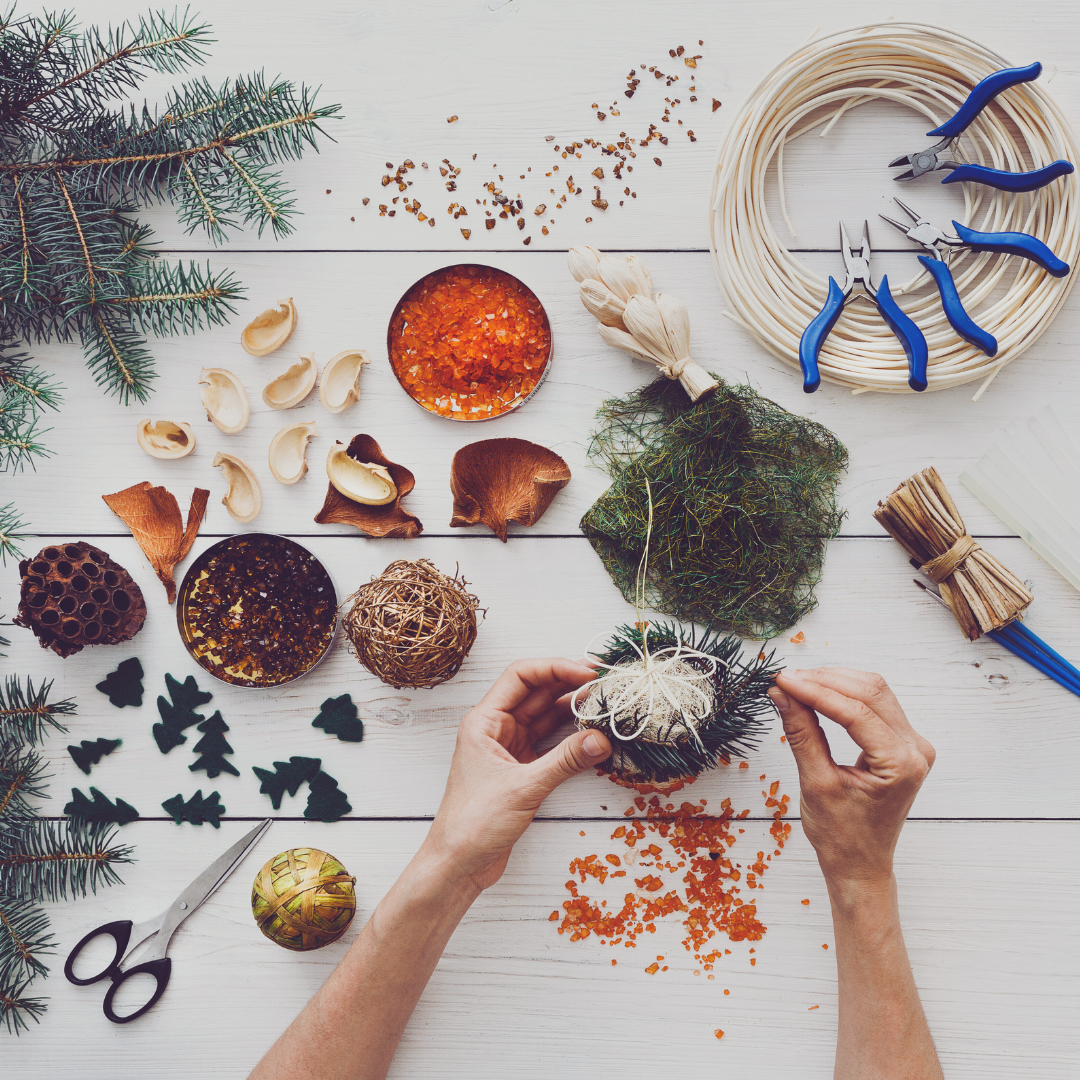
Creative hobbies offer a unique avenue for individuals to explore their imagination and express themselves. Engaging in these activities not only brings joy but also fosters personal growth and enhances mental health. Whether it’s painting, writing, or crafting, the act of creating can provide a sense of accomplishment and fulfilment that transcends everyday routines.
In a world increasingly dominated by technology, these hobbies encourage individuals to disconnect from screens and reconnect with their inner selves. They create spaces for reflection and self-discovery, allowing for the exploration of new ideas and perspectives. Through this process, individuals can unlock hidden talents and cultivate a deeper appreciation for their own creativity.
Moreover, the benefits of creative hobbies extend beyond personal enjoyment. They often serve as a therapeutic outlet, helping to alleviate stress and anxiety. By facilitating a space for expression, these activities contribute positively to overall well-being and mental health, reinforcing the importance of incorporating creativity into daily life.
Exploring the Spectrum of Creative Hobbies
Creative hobbies encompass a rich variety of activities that allow individuals to express themselves and explore their talents. From visual arts to performing arts and literary pursuits, each category provides unique opportunities for enjoyment and personal growth.
Visual Arts and Crafts
Visual arts and crafts include a wide array of forms, such as drawing, painting, and sculpting. Engaging in these activities allows individuals to manipulate colour, form, and materials to create original works.
Pottery is another enriching option, where crafting functional and decorative items fosters both creativity and practicality. Photography, often seen as an intersection of art and technology, invites participants to capture moments and perspectives through their unique lenses.
Digital art is increasingly popular, employing software to create sophisticated images. Other crafts, such as jewellery making, woodworking, knitting, and sewing, emphasise hands-on skills and can lead to tangible, personalised projects. Whether through scrapbooking or quilling, individuals can transform ordinary materials into beautiful expressions of their creativity.
Performing Arts and Expression
Performing arts encompass activities such as dance, theatre, acting, and singing. Each form encourages individuals to interpret stories and convey emotions, often in front of an audience.
Dance can take various forms, from ballet to contemporary, allowing self-expression through movement. Theatre combines elements of drama and improvisation, fostering collaboration among performers. Acting not only involves memorisation and character development but also allows for deep emotional exploration.
Singing, whether solo or in a group, offers both enjoyment and an outlet for personal expression. Improv theatre cultivates spontaneity and quick thinking, enhancing performers’ adaptability and creativity. These pursuits encourage confidence, social interaction, and a deep appreciation for the arts.
Literary Arts and Writing
Literary arts encompass creative writing, storytelling, and blogging, all platforms for sharing thoughts and narratives. Writing can take many forms, including poetry, short stories, and novels, offering unique ways to communicate ideas and emotions.
Storytelling, a traditional and enduring art, allows individuals to connect with audiences through the spoken word. This practice often emphasises cultural heritage and oral history. Blogging has transformed the literary landscape, enabling writers to share their insights and experiences with a global audience.
These activities not only improve literacy and communication skills but also encourage introspection and exploration of personal identity. Each literary endeavour provides an avenue for creativity and engagement with diverse themes and topics.
The Impact of Creative Hobbies on Well-being
Engaging in creative hobbies significantly enhances mental health and personal growth. These activities promote flow states and mindfulness while providing a vital outlet for self-expression.
Fostering a Sense of Flow and Mindfulness
Creative hobbies often facilitate a state of flow, characterised by complete absorption in the task at hand. During this immersive experience, individuals lose track of time and become fully engaged, leading to heightened focus and productivity.
Activities such as painting, writing, or playing music create opportunities for meditation-like moments. This mindfulness contributes to relaxation and reduces stress, allowing for a reprieve from daily pressures. The simple act of being present in the moment nurtures emotional balance and promotes overall well-being.
Creative Hobbies as a Medium for Self-Expression and Personal Development
Engaging in creative pursuits provides a powerful avenue for self-expression. Individuals can channel their thoughts, emotions, and experiences into tangible forms, fostering a deeper understanding of themselves.
Activities like crafting or performing arts allow individuals to explore their creativity and passions, leading to personal growth. This exploration encourages inspiration, enabling individuals to break out of their comfort zones. As they embrace their creativity, they develop confidence and resilience, positively impacting their mental health and emotional well-being.
Navigating the Digital and Traditional Paths
Creative hobbies can take many forms, ranging from tried-and-true traditional methods to innovative digital platforms. Exploring both paths allows individuals to find what resonates most with their artistic expression.
Traditional Crafting Techniques
Traditional crafting techniques remain vital for those who appreciate hands-on creativity. Methods such as wood carving and glass blowing require patience and skill, offering a deeply satisfying connection to materials.
Embroidery and weaving allow for personal expression through the fabric, while calligraphy combines artistry with written language. Each technique provides a tangible outcome, resulting in unique creations that often carry sentimental value.
Engaging in these activities can offer therapeutic benefits, fostering mindfulness and reducing stress. These crafts also promote cultural heritage, connecting practitioners with historical art forms and techniques passed down through generations.
Embracing Digital Creativity and New Media
Digital creativity opens a world of possibilities for artistic expression. Digital illustration and graphic design utilise software to create stunning visual works without the constraints of physical materials.
Video editing and digital photography have transformed storytelling, enabling creators to combine images and footage dynamically. Meanwhile, 3D modelling and web design provide avenues for innovation in virtual environments.
Coding also plays a crucial role, empowering artists to develop interactive experiences and applications. Embracing these new media allows for experimentation, making art accessible and versatile. Through various digital platforms, individuals can share their work widely, fostering a global community of creativity.
Practical Guidance for Creative Hobbyists
Engaging in creative hobbies can enrich one’s life significantly. Understanding how to start and progress in these activities can provide fulfilment and joy. Here are specific strategies for those embarking on or advancing in their creative pursuits.
Starting Your Creative Journey
Beginning a creative hobby necessitates choosing the right activity that sparks genuine interest. Individuals can explore various options like crafting, doodling, or gardening. Here are steps to guide this exploration:
- Identify Interests: List personal interests to focus on hobbies that resonate.
- Research: Seek information through books, online tutorials, and local workshops.
- Experiment: Try different hobbies before committing to one. Consider engaging in both creative hobbies for men and creative hobbies for women.
Setting realistic goals is essential. Start with small projects to build confidence and gradually take on larger challenges. This initial phase is crucial for establishing a sustainable creative practice.
Advancing Your Skills and Mastering Your Craft
To refine skills and deepen expertise, individuals should adopt a structured approach. Progression in creative hobbies often requires dedicated practice and learning. Here are effective strategies:
- Practice Regularly: Set aside time each week for focused practice. Consistency leads to improvement.
- Join Communities: Engage with local or online groups. Sharing experiences and receiving feedback fosters growth.
- Challenge Oneself: Explore advanced techniques in crafting or gardening. Pushing boundaries reveals new aspects of a hobby.
Lastly, consider incorporating classes or tutorials aimed at specific skills to enhance knowledge. This targeted learning will help navigate the journey from a novice to a skilled creator.