


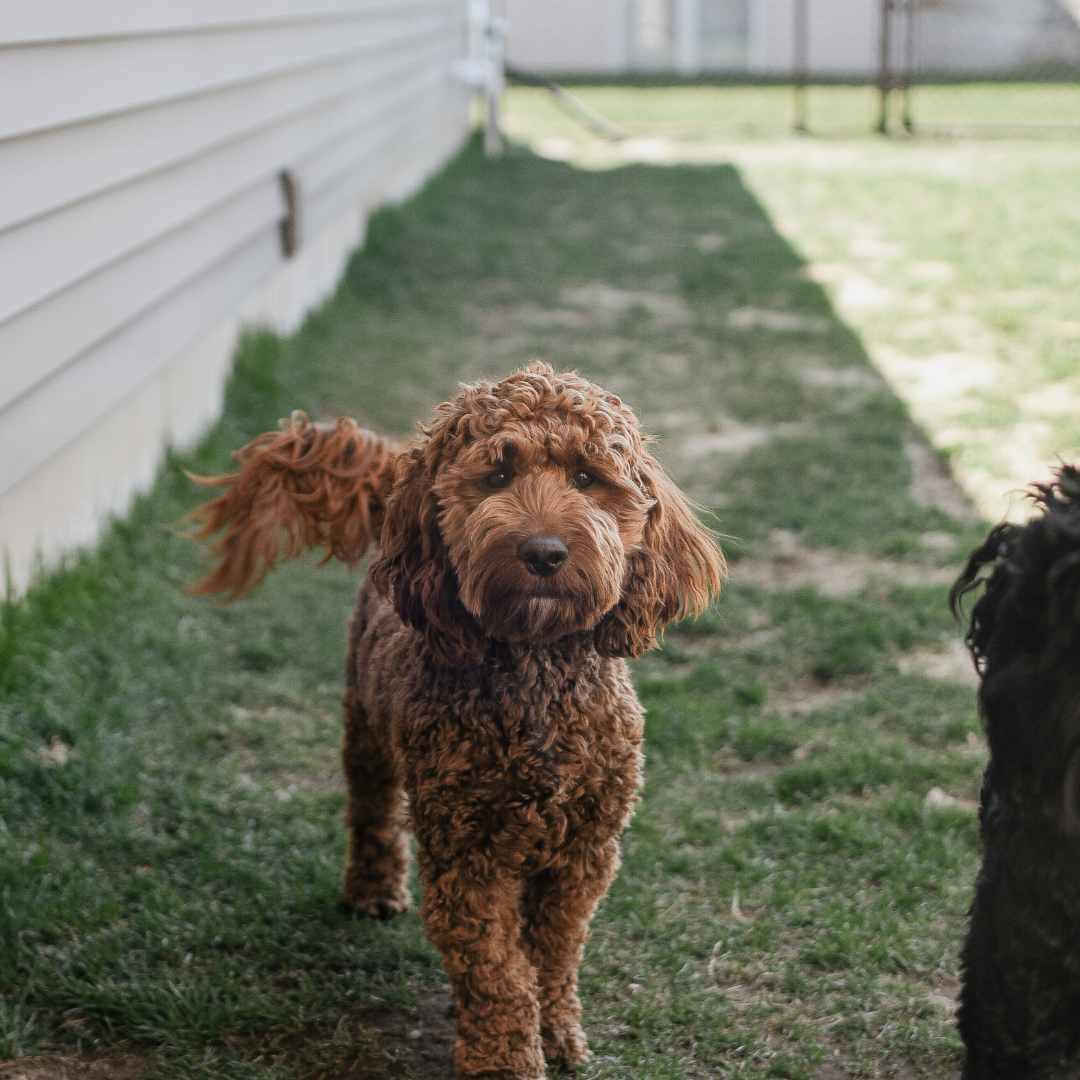
Creating a pet-friendly backyard is essential for pet owners who want to provide a safe and enjoyable space for their animals to play and relax. Incorporating features like secure fencing, safe plants, and dedicated play areas can transform any outdoor space into a pet haven. With a few simple adjustments, it is possible to ensure the backyard meets the needs of pets while remaining a pleasant environment for humans.
Selecting appropriate materials and plants is crucial to maintaining a pet-friendly atmosphere. Owners should consider non-toxic options and avoid sharp or harmful elements that could pose risks to pets. Additionally, providing shaded areas and water sources can enhance comfort during warmer months, allowing pets to enjoy their surroundings thoroughly.
Thoughtful design and planning can lead to a harmonious space where pets thrive. By following practical steps, anyone can achieve a backyard that caters to the joys of pet ownership while ensuring it remains functional and inviting for all who enter.
Designing a Pet-Friendly Garden Layout
Creating an effective garden layout involves strategic planning to ensure a safe and enjoyable space for pets. Key components include dedicated areas for play, exploration, and relaxation, alongside considerations for safety and aesthetics.
Incorporating a Dog Run
A dog run provides a secure area where dogs can exercise freely. The layout should be spacious enough for running and playing. Fencing is essential to prevent escapes, so install solid barriers at least 1.8 metres high. Reach out to professional fencing contractors ashford, or elsewhere, to ensure that the installation is done safely for the space. Professional installation can ensure durability while still maintaining the aesthetics of your backyard.
Using durable materials for the surface is crucial; gravel, mulch, or artificial grass can reduce mud and mess. To enhance the area, consider adding agility equipment like tunnels and jumps. Incorporate shaded spots for rest and ensure the space is away from hazards, such as sharp objects and toxic plants.
Selecting Pet-Safe Plants
Choosing pet-safe plants is vital for a healthy garden. Some common toxic plants include lilies, azaleas, and oleander, which should be avoided. Instead, opt for non-toxic species like petunia, bamboo palm, and lavender.
Ensure any plants selected are also sturdy enough to withstand digging and rough play. Placing plants along the perimeter of the garden prevents pets from accessing them easily. Consider using raised beds or containers for delicate plants, making them less accessible.
Adding Water Features
Water features not only enhance aesthetics but also provide pets with a playful environment. A small pond or a splash pool can be enjoyable for dogs, but it’s essential to ensure safety first.
Use smooth stones or edging to prevent injuries, and ensure that water is shallow enough for pets to stand. Regular maintenance is needed to keep the water clean and safe. Consider adding a fountain for a circulating water effect, which can also attract wildlife, adding to the garden’s charm.
Keeping Pests Under Control
Maintaining a pest-free garden is important not only for the health of plants but also for the safety of pets who spend time outdoors. Some pests can pose hidden risks that may lead to discomfort, allergic reactions, or even more serious health issues for animals.
For instance, an unusually high number of bees in the garden is often a sign of a nearby hive, possibly located in one of the trees. While bees are important for pollination, their presence in large numbers can be dangerous for pets.
Curious animals, especially dogs, may try to swat or chase bees, which could lead to stings and potential allergic reactions. In such situations, the safest and most responsible approach is to contact a professional pest control team to get rid of bees safely without disturbing the garden’s natural balance.
Another common issue is the presence of red ant hills. These ants can be aggressive if their mound is disturbed, and their bites can cause irritation, swelling, and pain, especially for pets with sensitive skin. A professional pest service that offers pet-safe treatments can help manage the problem effectively without putting animals at risk.
Materials and Plants to Avoid
Creating a safe backyard involves identifying both toxic plants and harmful materials. Understanding which items are unsafe can prevent potential health issues for pets.
Identifying Toxic Plants
Certain plants are particularly harmful to dogs if ingested. Common toxic plants include:
- Foxglove: Can cause heart problems.
- Azaleas: This may result in vomiting and significant gastrointestinal distress.
- Lily of the Valley: This can lead to severe heart disturbances.
Other plants to beware of are oleander, which is highly toxic, and sago palm, known for causing liver failure. Pet owners should research any plants before adding them to their gardens. A simple checklist or reference guide can help in identifying these hazards. Always err on the side of caution regarding any plant suspected to be harmful.
Harmful Materials and Objects
Beyond plants, materials in the backyard can pose risks to pets. Here are some key items to avoid:
- Rubber Mulch: Can be ingested and may cause intestinal blockages.
- Pesticides and Herbicides: Many contain chemicals that are toxic to dogs and can lead to serious health issues if ingested or absorbed through the skin.
Gravel and certain types of wood chips might also cause harm when chewed. It’s vital to use natural, pet-safe alternatives for landscaping and gardening. Regularly inspect the yard for any discarded items that could become dangerous. Additionally, it’s important to monitor your yard for any potential hazards that could endanger pets or property, including unstable trees or overhanging branches. In these situations, companies like Dunwoody Tree Service can safely assess and manage the risk to keep your yard secure.
Enhancing Comfort and Safety
Creating a comfortable and safe environment is essential for pets in the backyard. Incorporating features like artificial lawns, hardscaping, and designated play areas enhances both comfort and safety for pets.
Choosing an Artificial Lawn
An artificial lawn provides a soft, cushioned surface for pets. It is durable and resistant to wear, making it suitable for active dogs or playful cats.
Benefits include:
- Low Maintenance: No need for mowing or watering.
- Hygienic: Easy to clean and resistant to pests.
- Safe Materials: Ensure it is free from harmful chemicals.
Selecting a high-quality product can mimic real grass closely. Look for options with UV protection to prevent fading and ensure longevity. This option will help create a dog-friendly garden that remains tidy and inviting.
Implementing Hardscaping Features
Hardscaping creates structured areas for pets while enhancing safety. Features such as patios, pathways, and stone borders offer defined spaces for pets to explore. For those interested in exploring the possibilities and understanding how to tailor these features to specific needs, it’s easy to learn more by reaching out to professionals who specialise in hardscape design and pet-safe environments.
Recommendations include:
- Non-Slip Surfaces: Choose materials that provide traction to prevent slips.
- Defined Boundaries: Use stones or wood borders to separate garden beds from pet areas.
- Shade Structures: Incorporating pergolas or awnings allows pets to enjoy outdoor spaces comfortably.
These additions not only support a pet-friendly backyard but also reduce muddy areas and help keep the garden looking polished.
Creating a Catnip Corner
A designated catnip corner provides both stimulation and relaxation for cats. This area can be designed with:
- Catnip Plants: Plant catnip or related herbs for a sensory experience.
- Comfortable Seating: Use outdoor cushions or small benches for resting.
- Vertical Space: Incorporate shelves or climbing structures for climbing and playing.
A well-planned catnip corner can attract feline friends and enhance their outdoor enjoyment. This thoughtful addition creates a dedicated space that contributes to a pet-friendly garden atmosphere.