



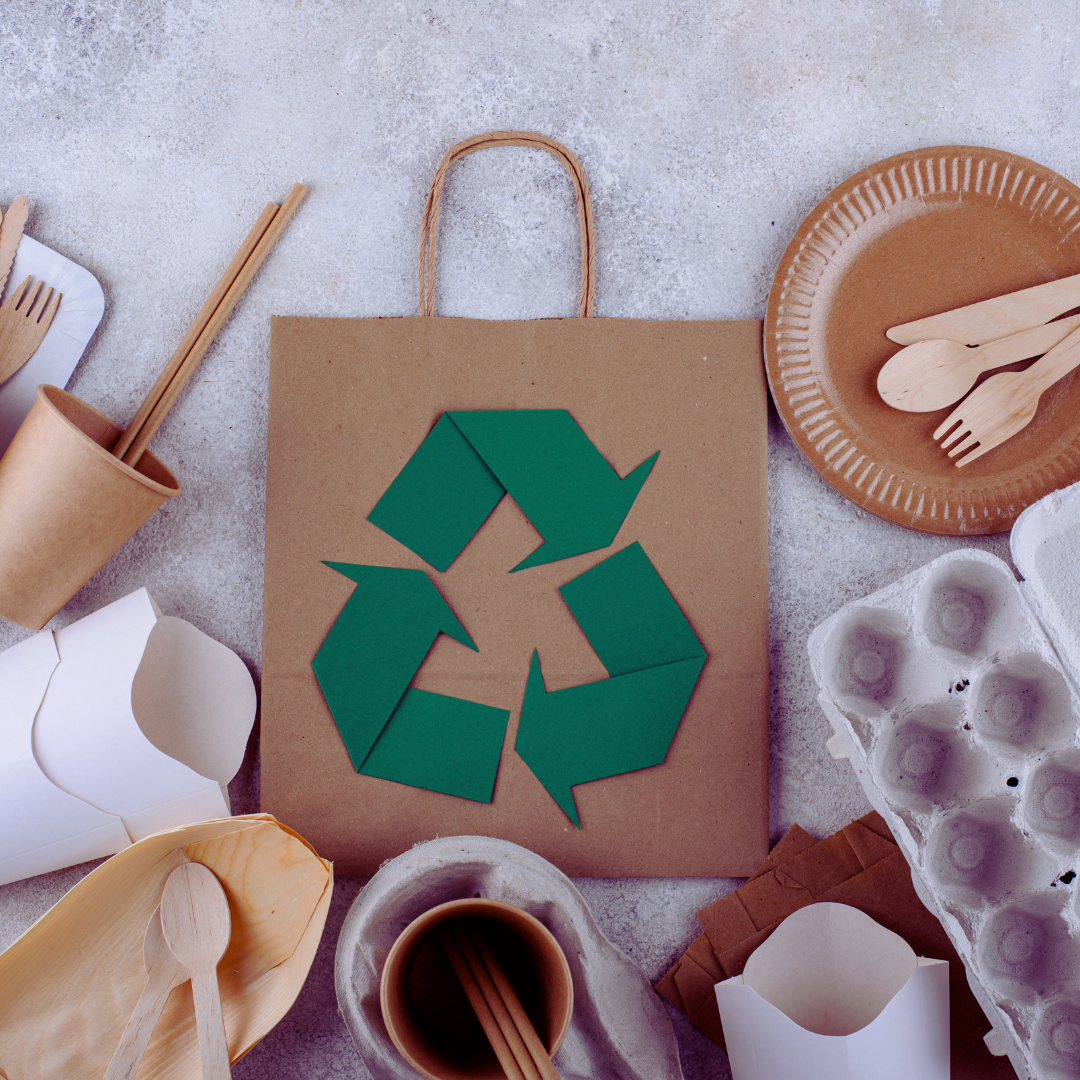
Reducing waste is a straightforward yet essential goal for anyone looking to live a more sustainable life. Simple actions, such as opting for reusable bags, bottles, and containers, can significantly lessen the amount of waste generated daily. These practices not only conserve resources but also encourage a more mindful approach to consumption.
Incorporating small changes into daily routines makes a substantial difference. For example, meal planning can minimise food waste and save money. Choosing products with minimal packaging further supports waste reduction efforts while promoting environmentally friendly choices.
Even beyond household items, waste can come from many other sources, like leftover construction materials, old electronics, or fallen and dead trees. Reducing this type of waste helps conserve resources and keeps communities cleaner. In some cases, people rely on services like debris and construction clearing or emergency tree removal Red Deer to manage unavoidable waste responsibly. Combined with simple daily habits, these actions support a healthier, more sustainable environment.
Engaging in community activities, such as local clean-ups or composting initiatives, enhances both awareness and commitment to sustainability. By adopting these easy strategies, individuals can contribute to a healthier planet and inspire others to do the same.
Understanding Waste Reduction
Waste reduction is a critical concept aimed at minimising the amount of waste generated in daily life. It focuses on actions that individuals and communities can take to lessen their environmental footprint, particularly in relation to climate change and plastic pollution.
Environmental Impact of Waste
The waste crisis has reached alarming levels, significantly affecting the environment. Waste contributes to landfills, which release greenhouse gases such as methane, exacerbating climate change.
Plastic pollution is another major concern, injuring wildlife and contaminating ecosystems. Approximately 8 million tonnes of plastic enter oceans each year, posing risks to marine life and, subsequently, human health.
Considering these impacts, reducing waste is essential for sustainability. Simple actions, such as minimising packaging and opting for eco-friendly products, can lead to a considerable decrease in waste production.
The Principles of Reduce, Reuse, Recycle
The “3 Rs” stand as the foundational principles for effective waste management.
- Reduce refers to cutting down on the amount of waste created. This can include buying in bulk or choosing products with less packaging.
- Reuse encourages finding new ways to use items instead of discarding them. For instance, glass jars can be repurposed for storage.
- Recycling involves processing materials to create new products. This process conserves resources and reduces pollution.
Adopting these principles promotes a circular economy where materials are kept in use for as long as possible. By prioritising these strategies, individuals can play a significant role in combating the waste crisis and fostering a healthier planet.
Practical Strategies for Waste Reduction
Implementing effective strategies can significantly minimise waste in daily life. By adopting specific practices in shopping, food management, and choosing reusable options, one can contribute to a more sustainable lifestyle.
Shopping with Minimal Waste
When shopping, individuals can reduce waste by opting for reusable bags instead of single-use plastic ones. Bringing your own bags can diminish plastic consumption significantly.
Purchasing in bulk is another effective strategy. This not only reduces packaging waste but also encourages buying products without excess plastic. Focusing on loose produce instead of pre-packaged items further helps cut down waste.
Choosing local shops supports the community and reduces transportation waste. These venues often offer products with less packaging, aligning perfectly with waste-reduction goals.
Reducing Food Waste at Home
Meal planning plays a crucial role in reducing food waste. Creating a shopping list based on planned meals helps avoid impulse buys and unnecessary ingredients.
Storing leftovers in reusable containers ensures food stays fresh longer. This practice encourages individuals to consume what they have instead of discarding it.
Additionally, using loose-leaf tea instead of tea bags can cut down on unnecessary packaging. Understanding food storage methods can also prolong the life of perishables and minimise waste.
Opting for Reusable Over Single-Use
Emphasising reusability fosters a sustainable lifestyle. Using reusable water bottles and cutlery decreases reliance on single-use items significantly.
Employing reusable straws promotes a reduction in plastic consumption in everyday drinks. For food storage, reusable containers are ideal alternatives to plastic wrap.
Investing in quality reusable items often proves economical in the long run. Choosing these options contributes to a decrease in the overall waste generated daily.
Practising Responsible Disposal
Alongside reducing waste and choosing reusable options, proper disposal plays a key role in maintaining a sustainable lifestyle. Knowing how and when to dispose of trash and recyclables helps prevent overflow, contamination, and unnecessary environmental harm.
Moreover, staying informed about local waste collection rules and schedules ensures that these efforts remain effective. For instance, residents in New York can benefit from staying informed about the NYC trash and recycling pickup schedule, which helps ensure waste is sorted correctly and placed out on the appropriate days.
Ultimately, when individuals follow local disposal guidelines, their waste-reduction efforts become more impactful, supporting cleaner streets, more efficient recycling systems, and a healthier environment overall.
Embracing a Sustainable Lifestyle
A sustainable lifestyle involves mindful consumption habits and a commitment to reducing waste through thoughtful choices. By incorporating minimalism, supporting secondhand and local businesses, and being aware of product life cycles, individuals can significantly reduce their impact on the environment.
Incorporating Minimalism
Minimalism encourages individuals to stop buying unnecessary items and focus on quality over quantity. Evaluating what one truly needs, allows for a more intentional lifestyle. When possessions are limited, it becomes easier to organise and maintain spaces.
People can achieve this by regularly donating unused items, ensuring they do not accumulate. Thrift shops and charitable organisations often welcome such donations. This principle not only declutters living spaces but also promotes sustainability by extending the life of goods.
Supporting Secondhand and Local Businesses
Shopping secondhand significantly reduces waste by reusing items already in circulation. Purchasing secondhand clothes, electronics, and furniture can save money and lessen the demand for new production, which often leads to waste.
Local businesses provide an alternative to large corporations by offering unique products and services. Supporting these enterprises can strengthen community ties and contribute to the local economy. Bringing reusable bags when shopping further reduces waste associated with single-use plastics.
Being Mindful of Product Life-cycle
Understanding the product life cycle is essential for making conscious purchasing decisions. Consumers should consider how long a product will last, how often it will need replacement, and what happens at the end of its life.
Opting for durable and reusable items can mitigate waste over time. For instance, choosing a reusable water bottle eliminates the need for single-use plastic. By buying secondhand electronics, individuals can also reduce electronic waste, keeping harmful materials out of landfills.
Waste Management Techniques
Effective waste management techniques can greatly contribute to reducing waste in daily life. Implementing composting, recycling, and responsible disposal can minimise environmental impact and foster a more sustainable lifestyle.
Composting Organic Waste
Composting offers a practical solution for managing organic waste, such as fruit and vegetable scraps, eggshells, and coffee grounds. By setting up a compost bin in a garden or using a kitchen composter, individuals can convert these materials into nutrient-rich compost.
This process reduces methane emissions associated with food waste in landfills. To start, one can layer greens (nitrogen-rich) with browns (carbon-rich). Regularly turning the compost ensures it breaks down efficiently.
It’s important to avoid adding meat, dairy, or oily foods, which can attract pests. Using compost enhances soil quality, reduces the need for chemical fertilisers, and supports plant health.
Recycling Effectively
Recycling effectively is crucial for conserving resources and reducing landfill waste. Key materials include paper, cardboard, glass, metals, and specific plastics. Understanding local recycling guidelines for appropriate recycling is also essential, as rules vary by region.
For instance, plastic and metal food containers should be clean and free of food residues to prevent contamination. Rinsing containers and flattening cardboard will facilitate the recycling process. Using designated bins for each type of recyclable material can help streamline this.
Additionally, different electronic wastes should also be recycled like other household waste. Hence, understanding What Happens When Electronics Are Recycled Properly can further guide households in handling e-waste responsibly alongside everyday recyclables.
Necessary items like plastic bags and straws often pose challenges; these should be avoided or replaced with reusable options, like cloth bags and stainless steel straws.
Educating oneself about proper recycling practices can greatly increase recycling rates and decrease waste. Furthermore, the step of waste disposal needs to be convenient and reliable to encourage correct sorting in recycling programs. This is where companies like Trash Sergeant, for instance, can help in ensuring that the waste is properly handled from the doorstep to the curb. They can offer valet trash services for apartment communities, making the act of disposal extremely easy for residents by collecting waste and recycling bags directly from their doors.
Disposing Non-Recyclable Trash
Disposing of non-recyclable trash requires careful consideration to minimise its environmental impact. Items that can’t be recycled may include certain types of plastic bags, polystyrene foam, and used paper towels.
One effective method is to reduce single-use items by opting for reusable alternatives. For example, a menstrual cup can replace disposable feminine hygiene products.
Food delivery services should offer packaging options that prioritise sustainability, such as containers that are compostable or recyclable. Proper storage containers can help minimise food waste, as leftovers can be stored for later consumption.
He should aim to compact non-recyclable items and make sure they are placed in designated bins. This helps ensure they are managed appropriately by waste disposal services.