



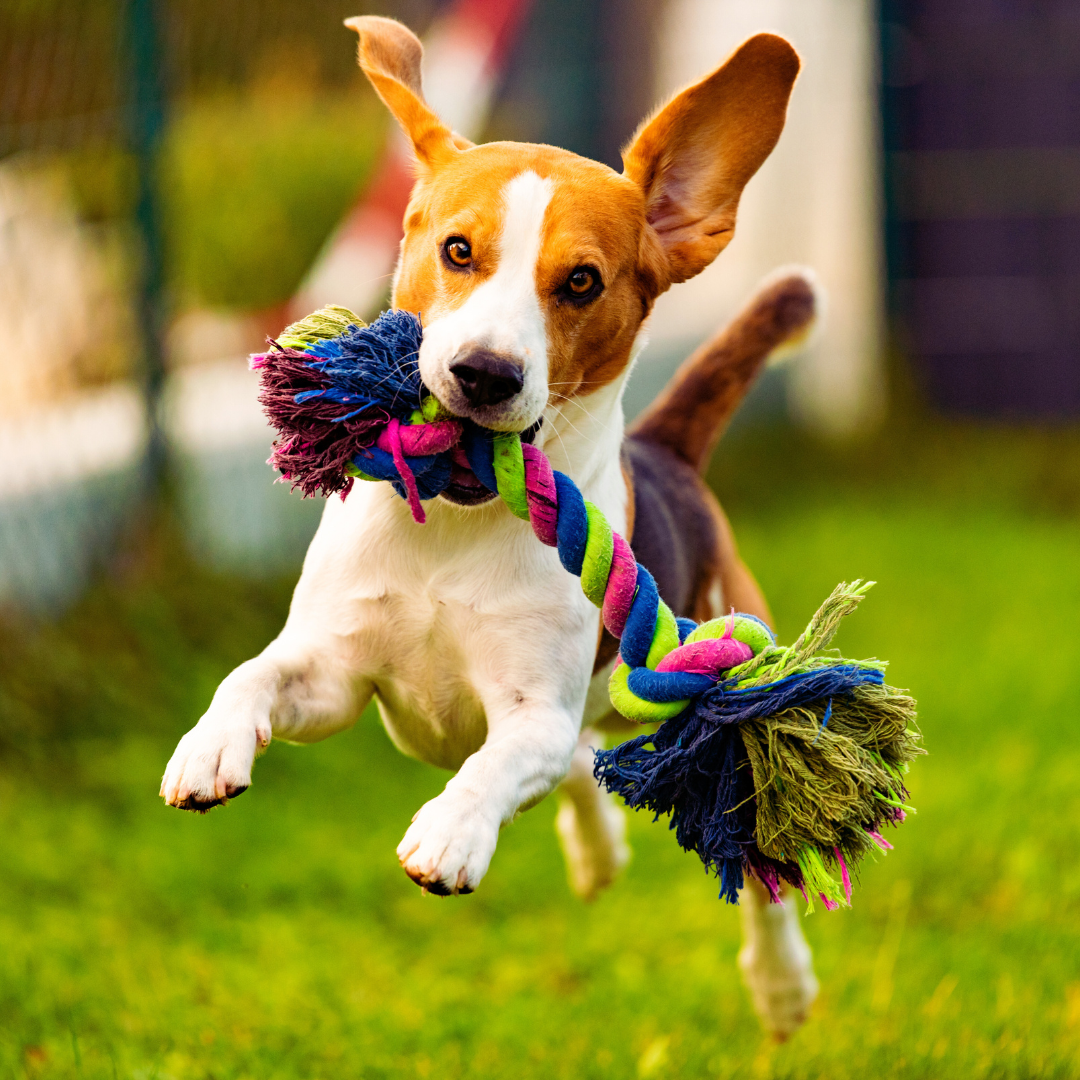
Creating DIY pet toys is a rewarding way to entertain furry companions while also saving money. These projects not only provide endless fun for pets but also allow owners to customise toys to suit their pets’ specific needs and preferences. With a few common household items and a little creativity, anyone can craft engaging toys that stimulate pets mentally and physically.
Many pet owners face the challenge of finding safe, durable toys that can withstand their pets’ enthusiasm. DIY pet toys can be made from items like old t-shirts, cardboard boxes, and bottles, proving that fun and functional toys do not have to come with a hefty price tag.
By exploring simple tutorials and tips, pet owners can easily integrate play into their pets’ daily routine, fostering stronger bonds and enhancing well-being. From tug toys to interactive puzzles, there’s a DIY project for every type of pet.
Understanding the Basics of DIY Pet Toys
Creating homemade pet toys can be a rewarding experience. Not only does it provide mental stimulation for pets, but it can also be a cost-effective alternative to store-bought options. Here are key aspects to consider.
Benefits of Homemade Toys
Homemade pet toys offer various advantages. They can be tailored to an individual pet’s needs and preferences, ensuring engagement during playtime.
Cost-Effectiveness: DIY projects are often more affordable than purchasing toys. Using materials already available in the home can significantly reduce expenses.
Bonding Experience: Crafting toys strengthens the bond between a pet and its owner. Pets benefit from the time spent together during the creation process.
Customisation: Owners can modify the toys based on their pet’s size, interests, and play style, promoting better physical and mental engagement.
Materials You’ll Need
Selecting appropriate materials is crucial for making safe and engaging pet toys. Here is a list of common supplies:
- Rope: Strong and durable, suitable for tug toys or chewables.
- Old T-shirts: Ideal for creating soft toys. Cut into strips and braid for a tough chew toy.
- Cardboard Boxes: Can be repurposed into puzzle toys for exploration.
- Plastic Bottles: Securely wrapped, they provide interesting sounds and textures.
- Foam or Fabric Scraps: Useful for making plush toys.
Before starting, ensure all materials are safe for pets. Avoid items that could pose choking hazards or cause harm.
Safety Considerations
Safety is paramount when crafting DIY pet toys. Always check materials for potential risks:
- Non-toxic Materials: Ensure that all fabrics and items are non-toxic and safe for chewing.
- No Small Parts: Avoid using small items that could be swallowed, leading to choking or intestinal blockages.
- Sturdy Construction: Ensure that the toys are securely made to withstand rough play.
- Regular Inspections: Regularly examine toys for wear and tear, discarding any that are damaged to prevent injuries.
Implementing these safety measures results in a secure and enjoyable experience for pets while minimising risks associated with homemade toys.
Creating Toys for Dogs
Crafting toys for dogs provides opportunities for mental stimulation, physical activity, and bonding. Various types of toys cater to different needs, from interactive options that enhance problem-solving skills to sturdy chew toys designed for heavy chewers.
Interactive Toys for Mental and Physical Exercise
Interactive toys challenge dogs both mentally and physically. A Snuffle Mat is an excellent choice, encouraging dogs to forage for treats hidden in fabric folds. This engages their natural instincts and promotes active play.
Another option is the DIY Flirt Pole, which consists of a pole with a lure attached. This toy encourages dogs to chase and jump, helping to burn excess energy.
Puzzle toys, like a Tennis Ball Muffin Tin Puzzle, require dogs to figure out how to retrieve treats from various cups, stimulating their minds and providing entertainment.
Chew Toys for Heavy Chewers
Dogs that love to chew benefit from durable, homemade options that withstand relentless gnawing. A No-Sew Denim Dog Toy can be crafted from old jeans, providing a sturdy and safe chew option.
For a more engaging experience, artisans can create Sweet Potato Dog Chew Toys by dehydrating slices of sweet potato. These chews are not only tasty but also healthy for dogs.
PVC pipe toys are another option, as they can be customised to create chew-resistant toys. By cutting the pipe into appropriate lengths and adding treats inside, dogs will enjoy both chewing and problem-solving.
Toys for Playtime and Bonding
Playtime toys create opportunities for bonding between dogs and their owners. Rope Toys, such as a T-Shirt Rope Toy, allow for tugging games that encourage interaction.
The Tennis Ball Tug Toy combines fetching with tugging, making it a favourite for active dogs. Similarly, the Rope Ball Dog Toy is easy to toss and grab, promoting playful exchanges.
Incorporating elements like a water bottle within a toy design creates a playful surprise, adding an extra layer of fun during play.
These DIY dog toy ideas not only keep canines entertained but also foster companionship and strengthen the bond between pets and their owners.
Toys for Other Pets
When considering DIY toys for pets beyond dogs, various options exist to engage and entertain cats, small animals, and birds. Tailoring toys to meet the specific needs of these pets can foster playtime and enrichment.
Engaging Cats with DIY Toys
Cats require stimulation to remain active and happy. Simple DIY toys can be made using household materials.
- Tissue Box Puzzle: Start with an empty tissue box. Fill it with crumpled paper or small toys. Cats will enjoy pouncing and exploring the box to uncover hidden treasures.
- Sock and Ball: Take an old sock, fill it with crumpled paper or a small ball, and tie a knot at the end. This can serve as a soft toy for batting and carrying around.
Interactive toys, such as feather wands or laser pointers, can also be created to enhance play. These toys encourage natural hunting behaviours and provide essential exercise.
Enrichment Toys for Small Animals
Guinea pigs and rabbits thrive on mental and physical stimulation. Creating enrichment toys can improve their overall well-being.
- Snuffle Mats: These can be made from fleece strips tied to a rubber mat. They encourage small animals to forage for hidden treats, mimicking natural behaviours.
- Cardboard Castles: Using cardboard boxes, it’s possible to build tunnels and hideaways. Guinea pigs love exploring these structures, enhancing their environment.
Incorporating natural elements into toys, such as untreated wood blocks or hay balls, offers additional stimulation. Regularly rotating toys help prevent boredom and encourage active play.
Creating Avian-Friendly Toys
Birds require mental and physical challenges for a happy life. DIY toys can provide various activities to keep them engaged.
- Wooden Chew Toys: Use untreated wood blocks or branches. Birds enjoy chewing, which keeps their beaks healthy.
- String and Beads: Stringing together colourful beads can create a visually appealing toy. Ensure the materials are safe and non-toxic for avian use.
Offering toys that promote foraging behaviour is essential. Hiding seeds or treats within toys can motivate birds to explore and engage their natural instincts. Regularly introducing new toys keeps the environment stimulating and dynamic for pet birds.