



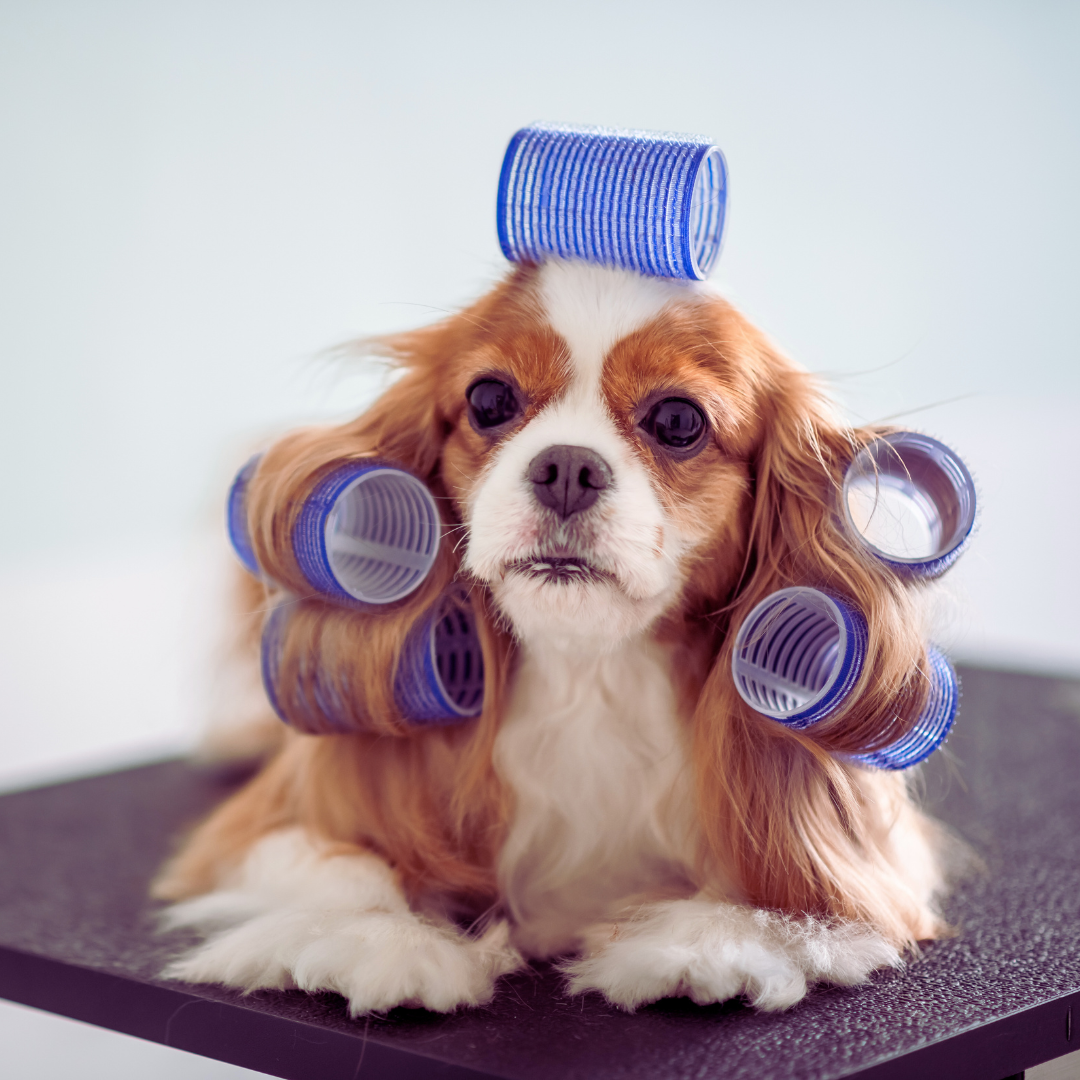
Grooming a dog is essential for its health and happiness. Regular grooming helps to keep a dog’s coat clean and free from mats, while also allowing for the early detection of skin issues. Establishing a consistent grooming routine can significantly enhance a dog’s quality of life.
Different breeds have different grooming needs, making it crucial to understand specific requirements. For instance, long-haired dogs may need more frequent brushing than short-haired breeds. This guide will share practical tips that anyone can use, regardless of their dog’s breed or grooming habits.
From brushing techniques to scheduling baths, mastering these dog grooming tips can create a stronger bond between the owner and the pet. Following expert advice ensures that grooming sessions are enjoyable and effective for both parties.
Essential Dog Grooming Techniques
Proper grooming is essential for a dog’s health and well-being. Effective grooming techniques address specific needs such as coat care, skin problems, and overall hygiene.
Brushing Fundamentals
Brushing is crucial in maintaining a healthy coat and preventing matting. A slicker brush is an effective tool for most breeds, as it removes loose hair and detangles knots. The frequency of grooming sessions depends on the dog’s breed and coat type; long-haired breeds may require daily brushing, while short-haired breeds may need it weekly.
Regular brushing helps reduce shedding and distribute natural oils throughout the coat. This contributes to a shiny appearance and healthier skin. Groomers should also be attentive to specific areas prone to matting, such as behind the ears and in the armpits, using techniques to gently loosen and remove tangles.
Bathing Best Practices
Bathing should be done only as needed to avoid stripping the coat of natural oils, which can lead to skin problems. Use a high-quality dog shampoo that matches the dog’s skin type and coat condition. This can be especially important for designer breeds with soft, wavy coats that require consistent upkeep to maintain their luster. Make sure to consult with the adoption centre or breeder, such as those at Maple Grove Cavaliers, to get detailed guidance to understand the specific hydration needs and coat textures unique to their breeding line. Before bathing, it’s advisable to brush the coat to eliminate any tangles, making the process smoother.
When bathing, ensure that the water temperature is comfortable and apply the shampoo evenly, avoiding the eyes and ears. Rinsing thoroughly is essential to prevent irritation. After bathing, gently dry the dog using a towel and consider using a blow dryer on a low setting for long-haired breeds, ensuring to keep a safe distance to avoid discomfort.
Nail Trimming and Paw Care
Regular nail trimming is vital to prevent overgrowth, which can lead to pain and mobility issues. A dog nail grinder can be an effective tool for this task. It’s recommended to trim nails every 3-4 weeks, monitoring the paw pads for any signs of irritation or injury.
In addition to trimming, checking for foreign objects lodged between the pads is important. Moisturising paw balms can protect against rough surfaces and hot pavements, maintaining paw health. Owners should also inspect their dog’s paw health routinely to catch any issues early.
Ear and Eye Care
Ear cleaning is essential for preventing infections, particularly in breeds with floppy ears. Regular checks and cleanings should be part of the grooming routine, using a vet-approved ear cleaner and cotton balls. Avoid inserting anything deep into the ear canal.
Eye care involves keeping the area around the eyes clean to prevent tear staining. Use a damp cloth to wipe away any discharge daily. Dogs with prominent eyes may also benefit from periodic checks for irritation or redness, ensuring any concerns are addressed swiftly to maintain eye health.
Selecting the Right Grooming Tools
Choosing the correct grooming tools is essential for maintaining a dog’s hygiene and appearance. The right tools enhance the grooming experience for both the dog and the owner.
Brushes and Combs
Selecting brushes and combs depends on the dog’s coat type. For short-haired dogs, a bristle or rubber brush works well to remove loose hair. Long-haired breeds benefit from a slicker brush, which effectively detangles knots while maintaining the coat’s integrity.
A combination of brushes may serve different needs. For instance, a wide-toothed comb is ideal for breaking up mats, while a fine-toothed comb is excellent for finishing touches. Regular brushing helps reduce shedding and keeps the dog’s skin healthy.
It is crucial to choose tools that feel comfortable in hand. This ensures effective grooming without causing strain or discomfort during use.
Shampoos and Conditioners
Using the right shampoos and conditioners cannot be overlooked. Dog-specific shampoos are formulated to meet the pH levels of canine skin, unlike human products, which can cause irritation. Always opt for natural ingredients, free from harmful chemicals and fragrances.
For dogs with sensitive skin, hypoallergenic options are available. Furthermore, conditioners can add moisture and shine, making coatings easier to manage. Choose products designed for specific needs, such as anti-tangle formulas for long-haired breeds or those with soothing properties for itchy skin.
Always rinse thoroughly to avoid residue buildup, which can irritate the skin. Proper bathing techniques also ensure a positive experience for the dog.
Groomers’ Equipment
Professional groomers often use specialised equipment that enhances the grooming process. High-quality clippers are crucial for maintaining coat length and style. Selecting clippers with different blade sizes allows for versatility depending on the dog’s breed and fur type.
Scissors are another essential tool, particularly for breeds requiring precise shaping. Choose ergonomically designed scissors to minimise hand fatigue during longer sessions.
Additionally, a grooming table is beneficial, providing a stable surface for both the dog and the groomer. Adjustable height tables help accommodate various sizes, promoting safety and comfort. Proper equipment ensures a more efficient and enjoyable grooming session.
Professional Grooming Versus Home Care
Understanding the balance between professional grooming and home care can help ensure a dog’s hygiene and well-being. Both options offer unique advantages and require different levels of commitment and expertise.
When to See a Professional Groomer
Certain situations warrant a visit to a professional dog groomer. Long-haired dogs often require specialised attention to avoid matting and tangles. They possess skills to manage intricate styles depending on the breed.
For dogs with specific grooming needs, such as those prone to skin irritations or requiring nail clipping, professionals are trained to handle these concerns effectively. A professional groomer has access to specialised tools and products tailored for various dog breeds, ensuring a thorough and safe grooming experience.
DIY Grooming Tips
Home grooming is an excellent option for maintaining a dog’s coat between professional appointments. Daily brushing can help prevent matting and reduce shedding. This is particularly important for long-haired breeds, where brushing should be more frequent.
Taking care of a dog at home requires patience and the right approach to keep the animal calm. Many owners find that setting up a quiet space helps the dog feel safe during brushing or washing. Using gentle, natural products is also a good way to protect their skin from irritation. For more tips on gentle pet care and product choices, resources like groomandkind.com offer helpful guidance for everyday routines. This makes the process easier and helps build trust between you and your pet.
Regular teeth cleaning is essential to prevent dental issues. Using dog-specific toothbrushes and toothpaste can greatly enhance oral health. Additionally, learning basic trimming techniques for nails and fur can prepare an owner for maintaining their dog’s grooming routine effectively.
Building a Grooming Routine
Establishing a consistent grooming routine is vital for any dog owner. It should include daily tasks such as brushing, teeth cleaning, and regular checks for ear and skin health. Incorporating these practices helps in the early detection of potential issues.
Using a calendar can assist in scheduling professional grooming sessions. This ensures that the dog receives a thorough service when needed, such as every six to eight weeks. Adopting a routine fosters a positive experience for both the owner and the dog, promoting a healthy bond between them.