



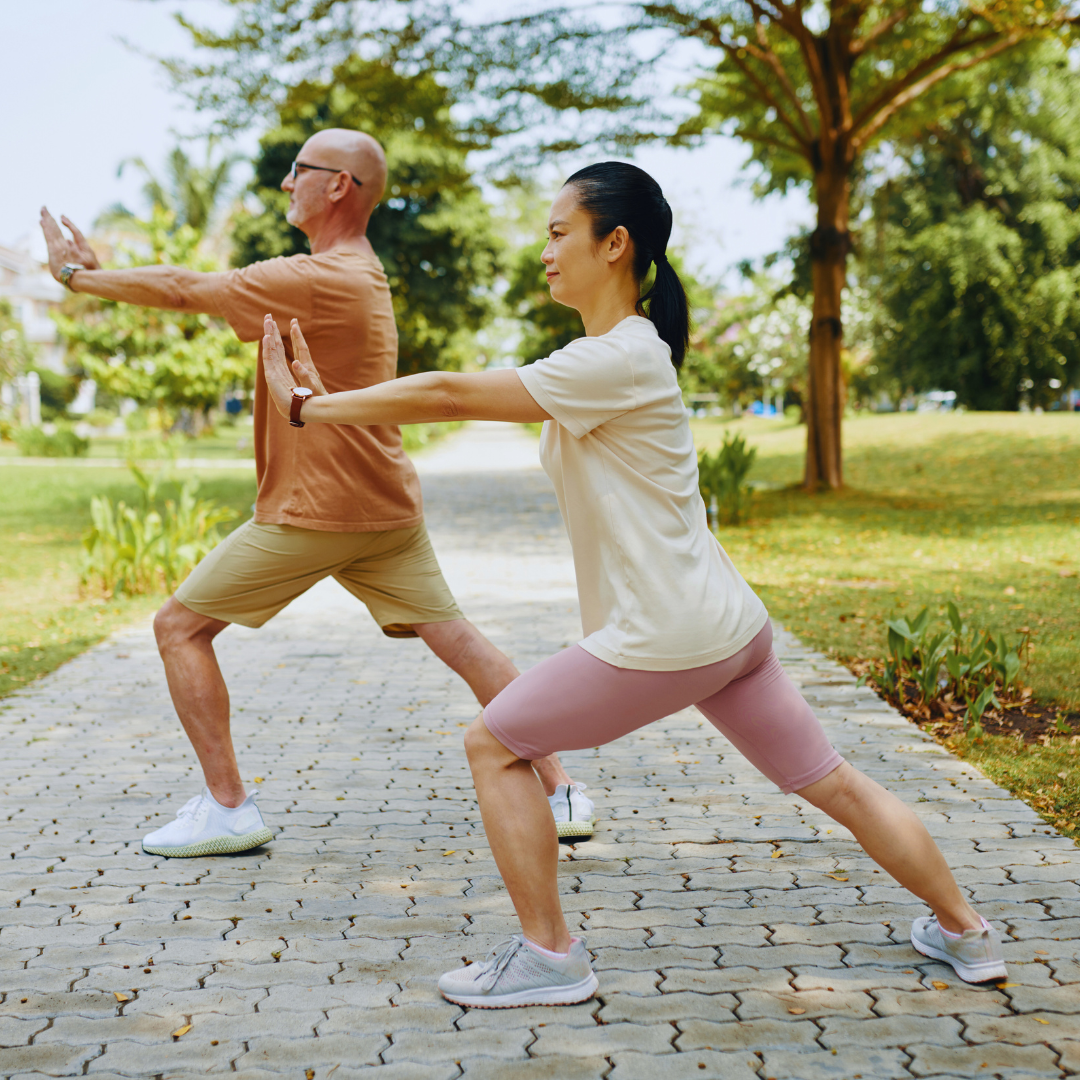
Starting the day with gentle fitness routines can set a calm and focused tone for the hours ahead. These exercises are designed to awaken the body without causing strain or stress. Gentle movements like stretching, yoga, or slow breathing exercises help improve circulation and mental clarity, making mornings more peaceful and productive.
Many people find that easing into physical activity allows the mind to transition smoothly from rest to alertness. Instead of high-intensity workouts, gentle routines honour the body’s natural rhythm and support wellbeing. This approach can be ideal for all ages and fitness levels, especially those looking to avoid morning fatigue or tension.
Introducing such routines takes only a few minutes but offers lasting benefits. It’s a simple way to create space for mindfulness and prepare mentally for the day ahead.
The Benefits of Gentle Morning Fitness
Gentle morning fitness sets a calm tone for the day, actively improving many aspects of mental and physical well-being. It helps sharpen focus, supports emotional balance, and can increase efficiency in daily tasks by preparing the mind and body thoughtfully.
Boosting Mental Clarity and Focus
Engaging in gentle exercises like stretching or tai chi early in the day stimulates blood flow to the brain, improving cognitive function. This increased circulation enhances mental clarity, allowing individuals to process information more swiftly and accurately.
Additionally, these routines help regulate breathing patterns, which can reduce distractions caused by stress or fatigue. This steady focus supports better decision-making and concentration in subsequent activities.
Regular practice of mild morning exercises also promotes the release of neurotransmitters that improve alertness and clear thinking. This natural boost can reduce reliance on caffeine or other stimulants to remain attentive during the day.
Supporting Mental Health and Self-Care
Gentle fitness routines contribute significantly to mental health by lowering stress hormone levels and encouraging relaxation. This creates a foundation for emotional resilience, helping individuals manage anxiety and mood fluctuations more effectively.
Incorporating these exercises as part of a morning self-care ritual reinforces consistency, making the practice a priority rather than a chore. This consistency nurtures a positive mindset and builds a sense of accomplishment early in the day.
Mindful movement during these routines also fosters body awareness, which can improve self-esteem and promote a respectful connection with one’s physical self. The calming effect of these activities benefits those recovering from mental health challenges.
Enhancing Productivity Throughout the Day
Starting the day with gentle fitness activates the nervous system in a balanced way, setting up sustained energy levels without causing exhaustion. This steadiness directly impacts productivity by reducing midday slumps and improving overall stamina.
It also encourages the establishment of a routine, which helps structure the day around focused work periods and breaks. This rhythm increases efficiency and can improve time management.
Moreover, the combination of better mental clarity and an improved mood from early exercise can enhance problem-solving skills and creativity. This leads to smarter work output and less time spent on distractions.
Core Elements of Calming Fitness Routines
A peaceful morning fitness routine combines mental focus, gentle physical movement, and consistent habits. Attention to breathing, stretching, and mindfulness creates a foundation that supports calmness and readiness for the day.
Incorporating Mindfulness and Deep Breathing
Mindfulness in a morning routine centres the mind on the present moment, which helps reduce stress and improve concentration throughout the day. Practising deep breathing activates the parasympathetic nervous system, lowering heart rate and promoting relaxation.
Techniques such as diaphragmatic breathing or the 4-7-8 method are effective. Inhaling slowly through the nose for 4 seconds, holding for 7, and exhaling through the mouth for 8 seconds helps regulate oxygen flow and calms the nervous system.
Integrating mindful pauses during exercises prevents rushed movements and supports body awareness. This focus on breath and sensation encourages a gentle transition from sleep to wakefulness.
Prioritising Gentle Movement and Stretching
Selecting low-impact activities like slow yoga or tai chi minimises strain while improving circulation and joint mobility. Stretching key muscle groups—back, neck, shoulders, and legs—releases tension accumulated overnight.
Movements should be slow and deliberate, avoiding fast or jerky motions. This approach lowers the risk of injury and encourages a greater connection to bodily sensations.
Gentle sequences also stimulate blood flow and increase energy without overwhelming the body. A 10 to 20 minute routine is often sufficient to foster a calm yet alert state.
Establishing Positive Morning Habits
Consistency in timing and sequence reinforces the calming effect of a morning routine. Setting aside the same time daily trains the body and mind to anticipate relaxation and focus.
Simple habits such as drinking water, practising gratitude, or journaling complement the physical routine. These actions help ground thoughts and establish a positive mindset.
Preparation the night before, like laying out exercise clothes, removes barriers to starting calmly. Over time, these habits contribute to improved mood and reduced anxiety during mornings.
Popular Gentle Fitness Activities for Peaceful Mornings
Gentle fitness routines in the morning focus on calm, approachable activities that support mental clarity and physical ease. These practices encourage mindfulness and create a steady foundation for the day. The elements involved range from movement and meditation to thoughtful sensory engagement.
Yoga and Mindful Movement
Yoga in the morning often emphasises slow, deliberate stretches combined with controlled breathing. Poses such as Cat-Cow, Child’s Pose, and gentle twists help to awaken the body without strain. This approach supports joint mobility and reduces stiffness accumulated overnight.
Mindful movement adds awareness to physical sensations, cultivating relaxation while enhancing focus. Practitioners benefit from improved circulation and a gradual rise in energy levels. It establishes a physical routine that is sustainable yet effective for starting the day calmly.
Meditation and Body Awareness
Meditation for peaceful mornings centres on breath control and present-moment focus. Common techniques include deep belly breathing, body scans, or guided imagery. These practices lower cortisol levels and promote mental stillness, preparing the mind for daily tasks.
Body awareness during meditation encourages recognising tension and consciously releasing it. This connection fosters better posture and reduces stress responses that may linger from sleep or prior days. Morning meditation can be as brief as five minutes to yield noticeable calm.
Journaling and Positive Affirmation Practices
Journaling in the morning serves as a method for organising thoughts and setting intentions. Writing prompts often include gratitude lists or goal reflections, which guide a positive mindset. The simple act of writing helps clear mental clutter and focus on purposeful actions.
Positive affirmations involve repeating constructive statements to reinforce self-confidence and resilience. Phrases like “I am calm and capable” can shape a proactive attitude. These practices, coupled together, form a mental routine that supports emotional balance and motivation.
Integrating Aromatherapy and Sensory Rituals
Aromatherapy enhances morning fitness routines by activating the senses with calming or invigorating scents. Essential oils such as lavender, eucalyptus, or peppermint can be diffused or applied topically. These aromas may influence mood and improve concentration during exercises or meditation.
Sensory rituals can also include gentle lighting, mindful sipping of herbal tea, or textured objects like smooth stones. These elements anchor attention and enrich the experience, making the fitness routine more engaging and restorative. Incorporating them helps create a consistent, soothing morning ritual.
Creating and Personalising Your Morning Routine
A peaceful morning routine requires attention to both physical space and tools that encourage calmness. Tracking progress and tailoring activities help maintain consistency and motivation over time.
Designing a Calm Morning Environment
The space where the morning routine takes place should be uncluttered and filled with natural light. Soft colours, such as pastel blues or greens, support relaxation. Removing distractions like electronics ensures focus on the routine’s purpose.
Essential elements include a comfortable mat or chair for gentle exercises or meditation. Adding plants can improve air quality and create a soothing atmosphere. Temperature control—such as a slightly cool room—helps with alertness without discomfort.
Using Sunrise Alarm Clocks and Relaxation Tools
A sunrise alarm clock simulates natural sunlight, gradually increasing brightness to wake the body gently. This method reduces the shock of harsh alarms and supports the natural circadian rhythm, making waking less stressful.
Other relaxation tools like aromatherapy diffusers with lavender or chamomile, as well as soft instrumental music, can enhance calmness. Timers set for breathing exercises or short guided meditations add structure while keeping the routine peaceful and intentional.
Tracking Progress with Habit Trackers
Using a habit tracker app or physical journal helps monitor daily adherence to the morning routine. Recording wins and noting any struggles increases awareness and encourages adjustments.
Habit trackers also aid in identifying patterns, such as the best time to wake or which activities promote the most calmness. Consistency over weeks builds momentum, creating a stronger morning ritual that feels natural and rewarding.
Inspiring Morning Routine Ideas
Morning routine ideas that promote peace include gentle stretches, slow yoga sequences, or mindful journaling. Drinking a glass of water followed by a brief moment of deep breathing sets a composed tone.
Incorporating five to ten minutes of gratitude reflection can improve outlook and reduce stress. For those who prefer movement, slow walks outside connect them to fresh air and morning light without demanding effort.