


Selling a home can be a daunting process, but with the right strategies, homeowners can maximise their profits. To get the most money when selling a home, it is crucial to prepare the property effectively, set a competitive price, and market it to the right audience. Each step can greatly influence the final sale price and overall success of the sale.
Potential sellers should consider making necessary repairs and improvements to enhance the property’s appeal. First impressions matter, so investing in curb appeal and staging can attract more buyers and lead to higher offers. Additionally, understanding local market trends can help in determining a price that balances competitiveness and profit potential.
Investing time in research and preparation pays off significantly. Homeowners who approach the selling process informally and strategically are more likely to achieve advantageous results. With careful planning and execution, obtaining the best possible return on a home sale is within reach. However, for those thinking, “How can I Sell My House Fast?” and prefer to skip the usual delays, connecting with a trusted cash home buyer can offer a quicker, more straightforward path to closing the deal.
Preparing Your Home for Sale
Getting a home ready for sale requires careful attention to detail. By focusing on decluttering, cleaning, staging, and enhancing curb appeal, sellers can create a welcoming environment to attract potential buyers.
Declutter and Clean
To maximise selling potential, begin with decluttering. Remove personal items, excess furniture, and belongings that may distract buyers. Aim for a clean and spacious environment that allows buyers to envision their own lives in the home.
Following decluttering, a thorough deep clean is essential. Clean every corner, including carpets, windows, and surfaces. Pay special attention to kitchens and bathrooms, as these areas significantly impact first impressions. A sparkling clean home suggests to buyers that it has been well cared for.
Staging for Success
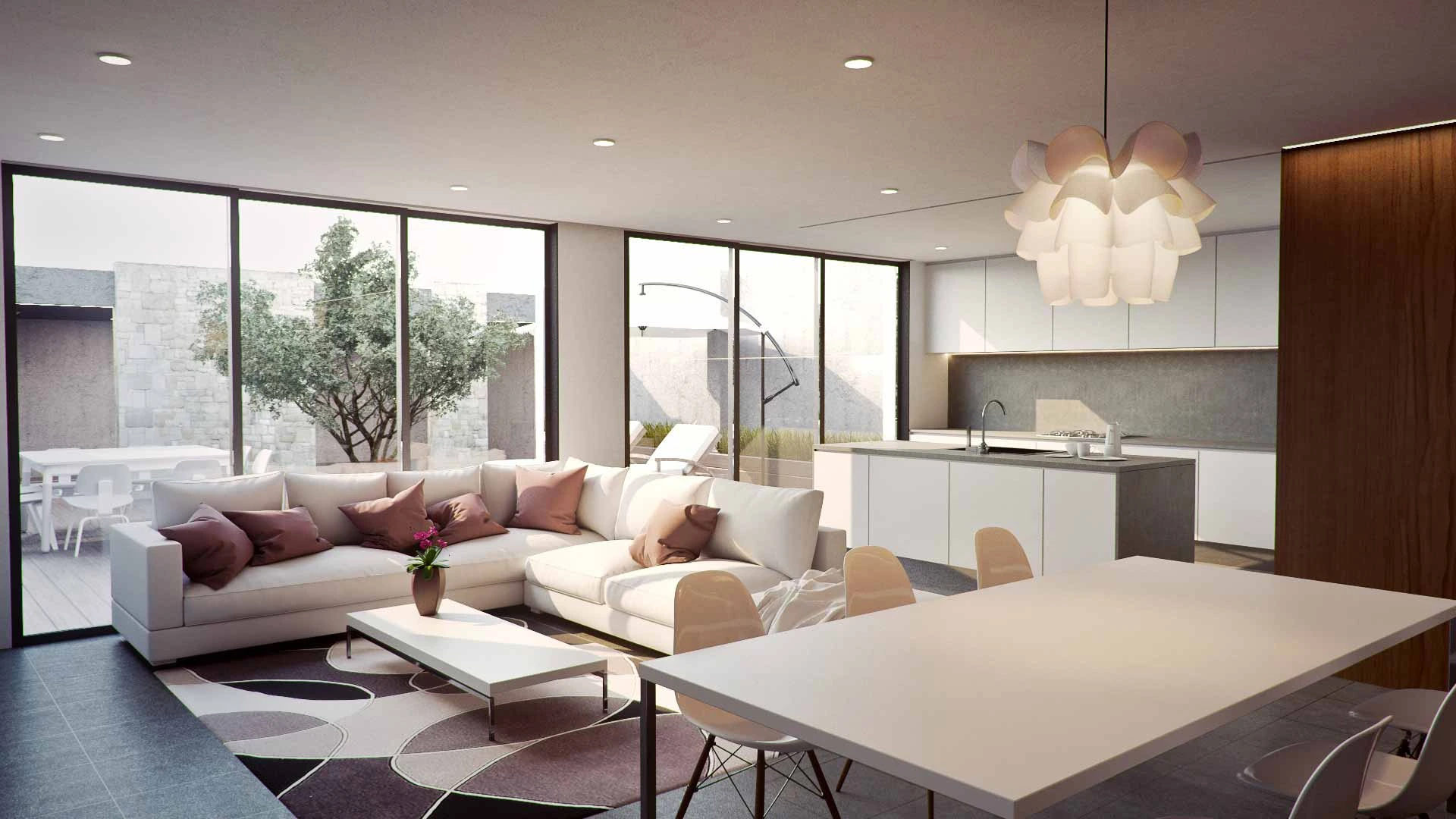
Staging can elevate a home’s appeal. It involves rearranging furniture and decor to highlight the property’s best features. Consider hiring a professional stager for expert guidance.
If staging is done independently, keep it neutral. Use a cohesive colour palette and tasteful decor that appeals to a broad range of potential buyers. Creating inviting spaces can include strategic lighting and minimal clutter, making each room feel warm and welcoming.
Making Necessary Repairs
Before listing the home, address necessary repairs. Small issues, like squeaky doors or leaky taps, can create the impression of neglect. Fixing these problems not only enhances aesthetics but signals to buyers that the home has been well-maintained.
Consider reviewing more significant repairs too. If there are underlying issues, such as roof leaks, HVAC problems, or a malfunctioning garage door, addressing them early can prevent complications during the sale process. For example, for garage repair, consider partnering with a professional garage door repair Westport CT or other locations to ensure that any issues are resolved efficiently, giving potential buyers confidence in the home’s overall condition.
Improving Curb Appeal
Curb appeal is critical for grabbing attention. The exterior of the home should be well-maintained and attractive to entice buyers at first glance. Simple tasks like mowing the lawn, trimming hedges, and planting flowers can make a significant difference.
Enhancing the front door’s appearance is also vital. A fresh coat of paint and new hardware can create an inviting entry. Make sure pathways are clear and well-lit, providing a welcoming atmosphere that encourages buyers to explore further.
Another key factor is clean windows, which allow natural light to brighten interiors and give the home a well-cared-for appearance. For safety and the best results, especially when dealing with windows that are difficult to access, it is often advisable to hire highly recommended window cleaners in the neighborhood. Professional services ensure streak-free finishes, protect window frames and glass, and help prevent accidents while working at heights, contributing to a polished and inviting exterior.
Setting the Right Price
Pricing a home accurately is crucial for maximising profit and attracting potential buyers. The right price can create interest, while the wrong price may lead to a prolonged sale or financial loss. Key aspects to consider include understanding the housing market, conducting a comparative market analysis, and strategising renovations that can increase value.
Understanding the Housing Market
The housing market can fluctuate due to various factors like location, economic conditions, and demand levels. Recognising these trends helps homeowners set a competitive asking price. Key indicators include:
- Average home prices in the area
- Inventory levels (number of homes available)
- Sales trends (days on the market, sale-to-list ratios)
Researching local market reports and consulting with real estate professionals can provide insights into optimal pricing strategies tailored to the current climate.
Conducting a Comparative Market Analysis
A comparative market analysis (CMA) is essential for determining a competitive asking price. It involves examining similar properties recently sold in the area, known as “comparables.” Key steps include:
- Identify Comparable Properties: Select homes that are similar in size, location, and features.
- Analyse Sale Prices: Review the final sale prices to gauge market expectations.
- Adjust for Differences: Consider variations in amenities, condition, and location to refine pricing.
This data-driven approach allows sellers to establish a price that reflects true market value, facilitating a quicker sale.
Strategising Renovations for Value
Strategic renovations can significantly enhance a home’s value before selling. Homeowners should focus on improvements that yield the highest return on investment. Recommended areas to consider include:
- Kitchen updates: Small renovations like new countertops or appliances can attract buyers.
- Bathroom upgrades: Modernising fixtures and finishes is often appealing.
- Curb appeal enhancements: Fresh landscaping or exterior painting can create a strong first impression.
By prioritizing these renovations, homeowners can not only command a higher sale price but also reduce time on the market.
That said, to ensure lasting quality and maximum impact, it’s wise to seek professional help. For example, patios, driveways, and walkways can be revitalized with reliable concrete repair services, while hiring a landscaping professional can transform garden beds, plantings, and other outdoor features.
These improvements further boost curb appeal and create inviting outdoor spaces.
Marketing Your Property
Effective marketing is pivotal for maximising the sale price of a home. High-quality visuals and strategic marketing methods can attract more potential buyers and create competitive interest.
Professional Photography and Floorplan
High-quality photography is essential in showcasing a property’s best features. Professional photos should highlight natural light, spaciousness, and unique attributes. Investing in a photographer who understands composition can make a significant difference in how the home is perceived online.
In addition, including a detailed floor plan can enhance buyer engagement. A clear layout helps potential buyers visualise the space and understand how they might live in the home. Combining both elements gives a comprehensive representation that can draw in more viewers.
Listing Your Home
Choosing the right platform for listing the property is crucial. Online real estate websites, social media, and local classifieds can effectively reach targeted audiences. Craft a compelling description that highlights key features, such as the number of bedrooms, outdoor space, and recent renovations.
Timing the listing is equally important. Launching the property during peak seasons can attract a larger pool of buyers. Ensure that the listing includes professional photos and complete details about the home to enhance visibility.
Open Houses and Private Showings
Open houses can generate buzz and create a sense of urgency. They allow potential buyers to view the home in person, which is often more impactful than photographs. Preparing the home by decluttering and staging can make it more appealing during these events.
Private showings also play a vital role in marketing. They offer a personalised experience, allowing agents to highlight unique aspects of the property. Prompt follow-up after these viewings can keep interest alive and encourage offers.
Navigating the Sale Process
Understanding the intricacies of the sale process is vital for maximising profit when selling a home. Key aspects include timing the market, managing offers, and being aware of closing costs.
Choosing the Best Time to Sell
Timing can significantly impact the price received for a home. The spring and early summer months often yield the highest demand due to favourable weather and family relocation schedules.
Sellers should also consider local market trends, such as inventory levels and average selling prices. Researching recent sales in the neighbourhood can help establish the best time for listing.
Monitoring economic indicators, such as interest rates, also aids in determining timing. If rates are low, buyer activity typically increases, resulting in better offers.
Evaluating Offers and Bidding Wars
Receiving multiple offers can create a competitive environment that drives up the sale price. When evaluating offers, consider not just the highest offer but also the terms.
Look for contingencies that may affect the sale, such as financing requirements or home inspections. A clean offer with fewer hurdles can result in a smoother transaction.
It’s prudent to stick to one’s bottom line while also being flexible during negotiations. Engaging a knowledgeable real estate agent can assist in navigating this process effectively.
Understanding Closing Costs
Closing costs can impact the net profit from the sale of a home. Typical costs involve agent commissions, which usually range from 5% to 6% of the sale price.
Additional expenses may include excise tax, title insurance, and any required repairs. Sellers should budget for these costs to avoid surprises at closing.
Having a clear breakdown of expected expenses helps in understanding how much the final payout will be. This preparation can assist in setting an appropriate sale price that accommodates these fees.