


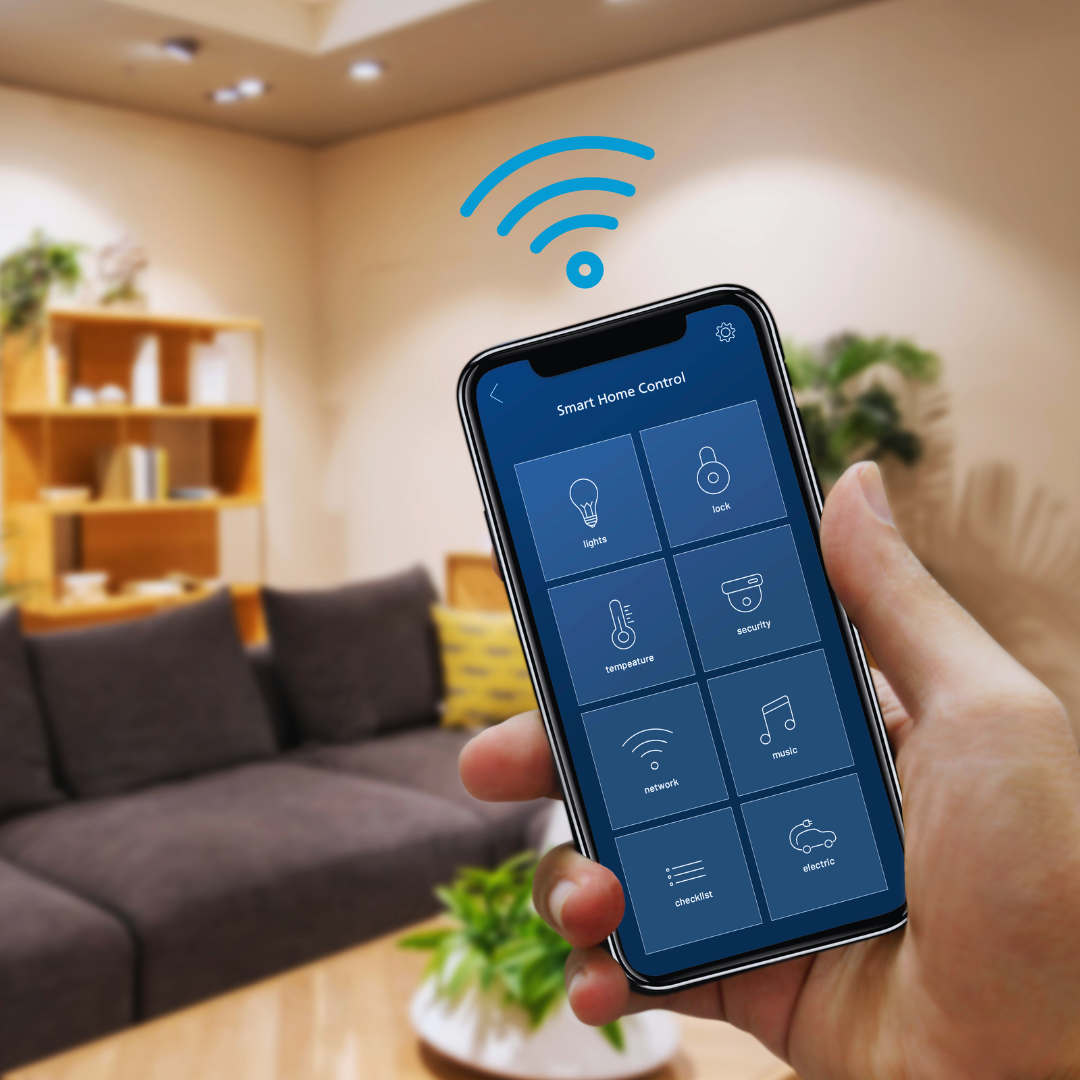
As technology advances, smart home devices are becoming increasingly integral to daily living. These innovations not only enhance convenience but also improve energy efficiency and security. The latest smart home technology offers users a seamless way to control their environments, making homes more responsive and personalised.
New products hitting the market include intelligent lighting systems, advanced security cameras, and energy management tools. These devices integrate easily with each other, creating a cohesive ecosystem that simplifies home management. Many homeowners are realising that investing in smart technology can reduce costs and elevate comfort.
The rise of artificial intelligence in these systems allows for even greater automation and customization. Users can now set schedules, receive real-time alerts, and control devices from anywhere using their smartphones. This evolution represents a significant step towards a more connected and intelligent living experience.
Smart Home Fundamentals
Smart home technology integrates various devices and systems to automate tasks, enhance convenience, and improve energy efficiency in residential settings. Understanding the ecosystem and the technological advancements driving automation is essential for homeowners looking to adopt these innovations.
Understanding Smart Home Ecosystems
A smart home ecosystem comprises interconnected devices that communicate with one another, typically through a central hub. These devices may include smart lights, thermostats, cameras, and appliances.
Key components include:
- Smart Home Hubs: Central units managing device communication.
- Protocols: Standards like Matter enable compatibility between devices from different manufacturers.
- Voice Control: Platforms like Amazon Alexa and Google Assistant facilitate hands-free operation.
This connectivity allows for seamless control and monitoring, enhancing user experience by creating custom automation routines for daily tasks.
The Role of AI in Home Automation
Artificial Intelligence (AI) significantly enhances home automation capabilities. It learns user preferences and behaviours to optimise device performance.
AI applications in smart homes include:
- Predictive Automation: Devices anticipate needs, adjusting settings based on patterns.
- Energy Efficiency: Smart thermostats, for instance, modify heating or cooling based on occupancy data.
- Enhanced Security: AI-driven cameras and alarm systems detect unusual activity in real time.
The integration of AI not only streamlines tasks but contributes to long-term savings and better resource management, making homes more sustainable.
Core Smart Home Devices
Smart home technology comprises various devices that enhance convenience, security, and connectivity within living spaces. This section focuses on innovative control units and intelligent security systems, highlighting their essential features.
Innovative Control Units
Control units act as the central hub for managing smart home devices. Common options include smart speakers and smart displays. These devices integrate voice assistants like Amazon Alexa, Google Assistant, and Siri, allowing users to perform tasks simply by speaking.
Users can control lighting, temperature, and entertainment systems effortlessly. For instance, smart speakers can adjust smart lights or request information from the internet. Smart displays offer additional functionality, displaying visual information and allowing users to make video calls or view security feeds.
Additionally, these control units often support a wide range of compatible devices, creating a seamless ecosystem. Offering user-friendly interfaces, they cater to both tech-savvy individuals and those less familiar with technology.
Intelligent Security and Monitoring
Home security has seen significant advancements with smart technology. Video doorbells and security cameras provide real-time monitoring and recording capabilities. These devices are equipped with motion sensors and can send notifications directly to users’ smartphones.
Smart locks enhance physical security, allowing homeowners to manage access remotely. Users can lock and unlock doors using their smartphones, which is especially beneficial for granting access to guests.
Integration with control units enables users to view camera feeds and manage security settings from one interface. Furthermore, many systems offer cloud storage for recorded footage, ensuring that critical moments are preserved.
With these tools, homeowners can maintain a secure environment, while enjoying the convenience of remote monitoring and management.
Many people choose to include these technologies during the initial construction phase of a new house. Working with a team that understands how to build these systems into the walls and layout makes a big difference. Professional builders often coordinate with tech experts to make sure the wiring and hubs are in the right spots.
When buyers look at modern properties, they often seek out homes that already have these systems in place. This is common in mountain communities where people want move-in-ready vacation homes. Buyers who browse Real Estate Listings in Pagosa Springs, CO will find that many newer builds have smart thermostats and integrated security. Having these features pre-installed saves new owners the trouble of setting up complex networks themselves.
Furthermore, for those in the Pennsylvania or Delaware area, https://hellingsbuilders.com/ has experience with these types of high-end residential projects. This approach helps avoid the mess of retrofitting devices after the walls are finished. It also ensures the home is ready for future updates as new products come out.
Integration and Connectivity
Integration and connectivity are essential for maximising the benefits of smart home technology. The choice of wireless communication standards and the development of seamless integration methodologies play a crucial role in ensuring devices work together efficiently.
Wireless Communication Standards
The effectiveness of smart home devices largely depends on the wireless communication standards they use. Key standards include Zigbee, Z-Wave, and Wi-Fi, each offering unique advantages.
- Zigbee: Widely used for low-power devices, it’s ideal for connecting gadgets like Philips Hue lights. It forms a mesh network, enhancing coverage and reliability.
- Z-Wave: Similar to Zigbee, Z-Wave operates on a different frequency, which can reduce interference. It is commonly utilised in smart locks and sensors.
- Wi-Fi: Common in many households, Wi-Fi supports high-bandwidth devices such as security cameras and smart TVs but can be less energy-efficient.
Matter protocol provides a unified standard that simplifies device integration across brands, including support for Apple HomeKit, Google Home, and Amazon Echo. This enhances interoperability and user experience.
Developing a Seamless Smart Home
Seamless smart home experiences require a blend of connectivity and automation. Tools like IFTTT (If This Then That) enable users to create custom automation workflows that connect different devices and platforms.
Integration of voice assistants such as Siri, Google Assistant, and Alexa enables hands-free control of various smart appliances—from lighting to temperature settings.
For example, one could program smart plugs to activate lights at sunset or adjust the thermostat when leaving home. This level of integration fosters convenience and energy efficiency, allowing users to personalise their smart home environment effectively.
A well-connected smart home ecosystem leads to improved management and security, creating a more comfortable and responsive living space. And it is always best to have a maintenance plan in place for different seasons. That will help one put less strain on their management system, may it be a dedicated summer home maintenance or a winter one. That isn’t just for repairs, but also to preserve the investments.
Advanced Smart Home Strategies
Incorporating advanced strategies in smart home technology can significantly enhance energy efficiency and home entertainment experiences. This section explores energy management techniques and the integration of smart entertainment systems to maximise convenience and functionality.
Energy Management
Energy management is a key focus in modern smart homes, primarily through the use of smart thermostats and smart light switches. Smart thermostats adjust heating and cooling based on user habits, helping to reduce energy costs by optimising usage. For instance, they can learn household patterns and adjust settings automatically, ensuring maximum efficiency.
Smart light switches can be programmed to turn off when not in use or adjust brightness to save energy. By integrating these devices with smart appliances, homeowners can create a cohesive energy management system. This network enables users to monitor energy consumption in real time, empowering them to make informed decisions about their usage and reduce waste.
Smart Entertainment Systems
Smart entertainment systems transform how users enjoy media and gaming experiences at home. These systems integrate various devices, such as smart TVs, speakers, and streaming services, providing seamless control through mobile apps or voice assistants.
Using wearables and health tech, users can enhance their entertainment experiences. For example, certain devices offer health monitoring while watching content, allowing users to track their well-being during leisure time. Smart home security systems can also integrate with entertainment setups, ensuring that audio or video surveillance is part of the broader smart ecosystem. This approach offers both peace of mind and an enhanced entertainment experience, catering to modern lifestyle demands.