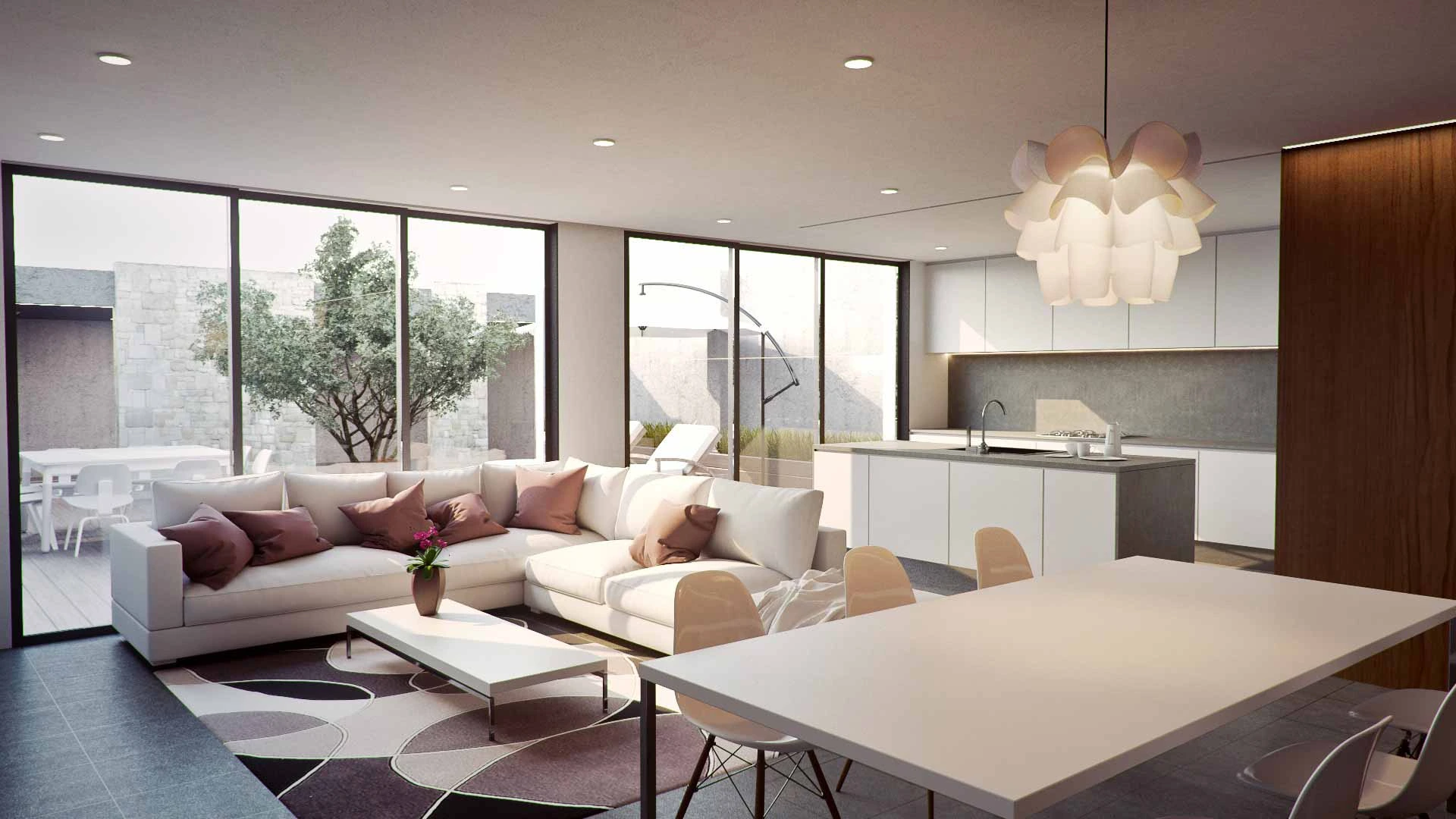



Blending practicality with warmth in interiors means creating spaces that are both functional and inviting. It involves selecting materials and designs that serve everyday needs while adding comfort and personality. The key is to balance durable, easy-to-maintain elements with soft textures and personal touches.
He or she can achieve this by combining practical furniture with warm colours, lighting, and accessories that evoke a sense of homeliness. Thoughtful layout and storage solutions support usability without compromising the comfort or style of the room.
This approach allows interiors to support daily life efficiently while making people feel relaxed and welcome. Understanding how to merge these qualities can transform any space into a practical yet cosy environment.
Core Principles of Blending Practicality With Warmth
Creating spaces that are both useful and inviting requires attention to how elements like comfort, clean design, and natural features interact. Practical solutions should support everyday needs without sacrificing a welcoming atmosphere.
Balancing Functionality and Comfort
Functionality in interiors centres on ease of use and adaptability. Furniture with storage options or modular components ensures the space remains uncluttered and efficient.
Comfort is equally essential. Soft materials, such as cushions and rugs, enhance physical ease without overwhelming the room’s purpose.
A practical, warm room might include a durable sofa with plush throws and accessible lighting. Prioritising features that serve daily routines while fostering relaxation is key.
The Importance of Clean Lines in Cosy Interiors
Clean lines contribute to clarity and order, which improve usability and calmness in a room. Straight edges and minimalist shapes reduce visual noise, making spaces appear organised and spacious.
However, to avoid coldness, these lines can be softened with textured elements like knit throws or natural fibres. This combination keeps the look neat but approachable.
Furniture with simple profiles but warm finishes—like wood or soft matte—strikes a balance between structure and softness in an inviting way.
Connection to Nature for Inviting Spaces
Incorporating natural elements supports warmth by fostering a sense of calm and grounding. Wood, stone, and plants introduce texture and colour that connect interiors with the outdoors.
Natural light maximises this effect, enhancing mood and highlighting the space’s features without artificial harshness. Views of greenery or indoor plants create focal points that uplift the room’s feel.
Materials sourced sustainably not only add authenticity but also ensure longevity, blending environmental responsibility with everyday practicality.
Selecting Materials and Textures for Cosy Yet Practical Spaces
Combining warmth with practicality starts by choosing the right materials and textures. Natural elements and thoughtful layering create comfort, while durable options ensure longevity and ease of maintenance.
Incorporating Natural Materials for Warmth
Natural materials such as wool, linen, and cotton add softness and a tactile connection to the space. These fibres are breathable, making them suitable for various climates and practical for daily use.
Stone and leather can also introduce warmth without compromising durability. For instance, a leather sofa resists stains and ages gracefully, while stone surfaces offer easy cleaning. Prioritising these materials helps maintain a cosy atmosphere along with functionality.
Using Layered Textures to Add Depth
Layered textures build visual interest and comfort. Combining smooth surfaces like glass or metal with rougher elements like woven rugs or knitted throws creates balance.
This layering not only enhances aesthetics but also allows adaptability. For example, cushions in different fabrics can be swapped seasonally, maintaining warmth in winter and breathability in summer. Layered textures soften harder materials and create an inviting environment without sacrificing practicality.
Choosing Wooden Furniture for a Homely Feel
Wood remains a reliable choice for blending warmth with utility. Hardwoods such as oak and walnut are tough, repairable, and visually appealing. They develop character over time through natural ageing.
Simple designs with clean lines often suit practical living. Solid wooden furniture requires minimal upkeep and pairs well with various decor styles. Using wooden tables, chairs, or shelving contributes both warmth and lasting function to interiors.
Colour Schemes and Lighting Approaches
Effective interiors balance colour and light to enhance comfort and functionality. Careful selection of tones and thoughtful lighting placement create spaces that are both inviting and practical.
Applying Neutral Tones for Versatile Warmth
Neutral tones like beige, taupe, and soft greys form a flexible base that fosters warmth without overwhelming a room. These colours work well with various textures and materials, allowing for easy updates and seasonal changes.
Using warm neutrals with subtle undertones, such as cream or warm grey, adds depth while maintaining a calming atmosphere. Accent colours can be introduced through accessories rather than dominant walls to keep the scheme practical and adaptable.
Neutral walls and furnishings reflect natural and artificial light effectively, enhancing the sense of space. This choice supports both cosy living areas and functional workspaces by bridging comfort and usability.
Maximising Natural Light
Natural light plays a central role in creating a welcoming, practical interior. Large windows or strategically placed glass doors bring daylight deep into rooms, reducing the need for artificial lighting during the day.
Sheer curtains or light-filtering blinds moderate glare without blocking the light. Positioning mirrors opposite windows amplifies natural light by reflecting it across the room, increasing brightness and warmth.
Avoid heavy drapes or dark window treatments that absorb light and make spaces feel smaller. The goal is to harness daylight to enhance mood and functionality while maintaining privacy.
Integrating Floor Lamps and Wall Sconces
Floor lamps provide targeted lighting ideal for reading or accentuating specific areas. Placed beside sofas or armchairs, they add both function and style, often with adjustable brightness for flexibility.
Wall sconces save floor space and add gentle, ambient light. They can frame artwork, define pathways, or highlight architectural details while contributing to an even light distribution.
Combining both options allows layering of light sources, enhancing the overall warmth without sacrificing practicality. Choosing fixtures with warm light bulbs supports a cosy atmosphere while maintaining sufficient illumination.
Styling Details: Accessories and Personal Touches
Accessories and personal details bring life and character to practical interiors. Thoughtful choices can add warmth without overcrowding or reducing functionality.
Incorporating Vintage Finds
Using vintage finds introduces unique textures and stories to a space. These pieces, such as antique lamps, weathered wooden frames, or retro ceramics, create a warm, lived-in feel.
Selecting a few statement vintage items rather than many prevents clutter. Mixing these with modern furniture balances old-world charm with current style.
Quality and condition matter. Well-maintained vintage items last longer and retain value, making them practical investments as well as aesthetic enhancements.
Balancing Practical Essentials With Decorative Elements
Practical items should double as decoration where possible, like woven baskets for storage or stylish trays for organising. This keeps the space orderly and visually appealing.
Choosing accessories with soft textures, such as cushions or throws in natural fabrics, injects warmth without sacrificing practicality. Items should be easy to clean and maintain.
A table summarising key accessory types might look like this:
|
Accessory Type |
Practical Use |
Warmth Factor |
|
Woven Baskets |
Storage and organisation |
Natural texture and colour |
|
Throw Pillows |
Comfort and support |
Soft fabrics and patterns |
|
Decorative Trays |
Containment and surface care |
Stylish and thematic |
Incorporating personal mementoes like framed photos or travel souvenirs adds a unique warmth linked to the individual’s life and experiences.