



Refreshing a space with found and vintage items is a practical and sustainable way to add character without spending a lot. These pieces bring unique stories and textures that modern décor often lacks. Using what’s already available encourages creativity and reduces waste, making it both an economical and environmentally friendly choice.
The key to success is selecting items that complement the space’s colours, style, and function while repurposing or restoring them thoughtfully. Small changes like adding vintage lamps, reupholstering chairs, or displaying collectables can transform a room’s feel instantly.
People often overlook the potential in secondhand shops, markets, or even their own attics. Embracing this approach allows for a personalised space that reflects both history and individuality.
Sourcing and Selecting Found and Vintage Items
Finding quality vintage items requires attention to detail and knowing where to look. It is important to understand what makes a piece valuable and authentic while exploring diverse sources for thrifted finds and vintage furniture.
How to Identify Quality Thrifted Finds
Quality thrifted finds often show solid construction, such as sturdy joints and heavy materials like hardwood or metal. Look for items with minimal damage or wear that adds character without compromising function.
Check for original finishes and hardware, as replacements can reduce value. Items with clear maker’s marks or labels usually have a better provenance and can help verify quality.
Avoid pieces with extensive water damage, warping, or insect activity. These issues are costly to repair and might make the item unusable.
Where to Find Vintage Furniture and Decor
Vintage furniture and decor can be sourced from a variety of places: charity shops, estate sales, flea markets, and dedicated vintage stores. Online platforms specialising in vintage and second-hand goods also offer curated selections with detailed descriptions.
Estate sales tend to have higher-quality and unique items, while thrift stores usually provide affordable and more varied options. Regular visits are key, as stock changes frequently.
Antique fairs and auctions offer access to rare finds but often require quick decision-making and knowledge of pricing trends. Combining local and online searches widens the range of available items.
Assessing Value and Authenticity
Value depends on age, condition, rarity, and maker. Researching comparable items and asking experts can provide guidance on pricing. Authentic items typically have consistent wear patterns and recognised branding or stamps.
Authenticity can be confirmed by checking construction techniques relevant to the era, such as dovetail joints in cabinetry or hand-painted decorations. Beware of modern reproductions marketed as vintage.
Condition affects value, but some restoration is acceptable if done professionally and using period-appropriate materials. Avoid pieces with non-original parts or extensive aftermarket alterations.
Incorporating Vintage Pieces into Modern Spaces
Vintage pieces bring character and history to contemporary interiors. Using them effectively involves blending styles, carefully selecting items to display, and highlighting standout objects to draw attention without overwhelming the space.
Blending Old and New Styles Seamlessly
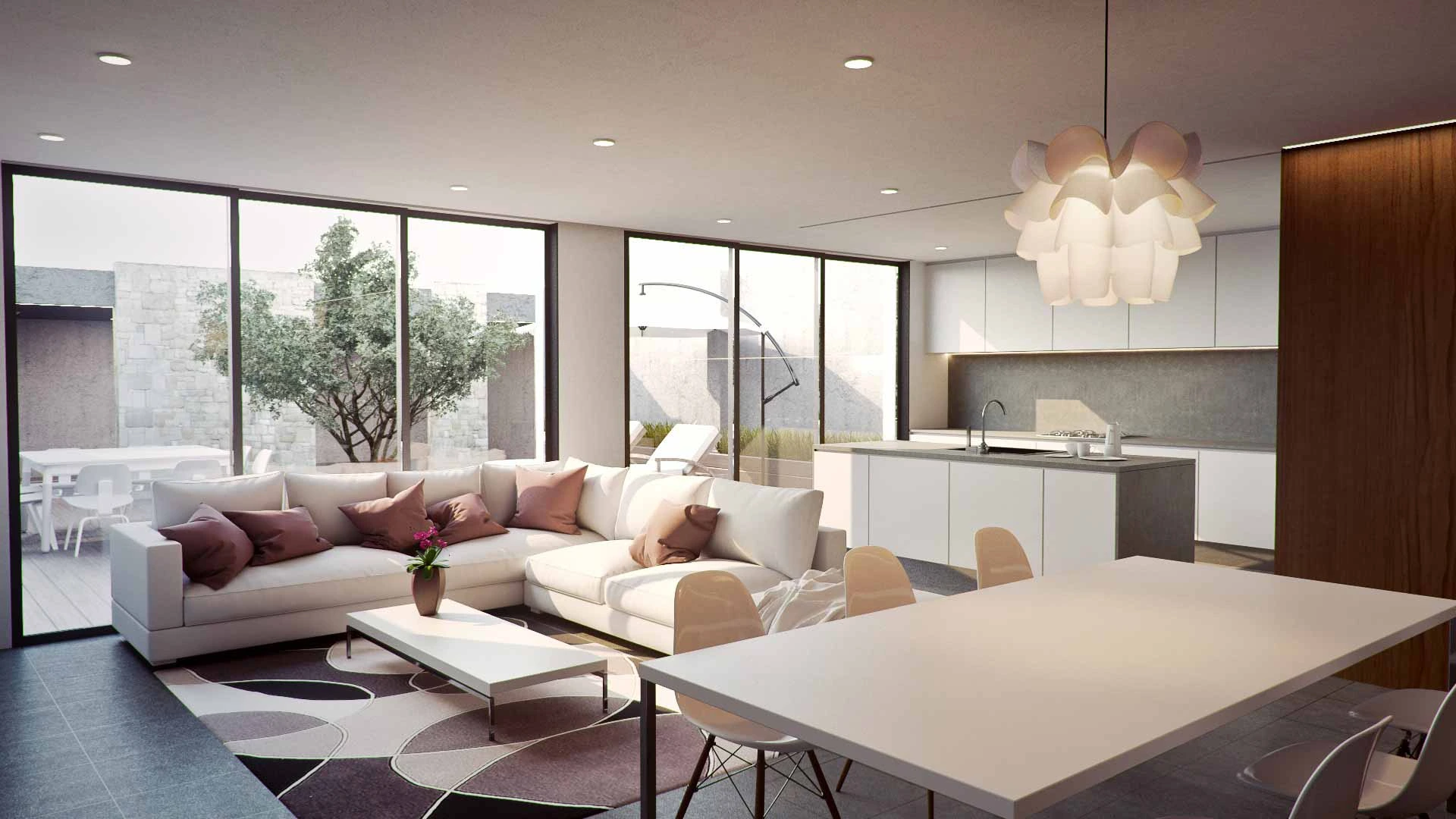
Successfully mixing vintage furniture with modern décor requires attention to scale, colour, and function. Pairing a sleek modern sofa with a 1950s wooden side table creates balance by contrasting materials and shapes.
Textiles and colours can unify old and new elements. For example, using neutral hues in cushions or rugs helps a vintage armchair fit into a minimalistic room. Consistency in finishes, such as matte or glossy surfaces, also aids cohesion.
Avoid overcrowding by limiting vintage pieces to one or two per room. This prevents a cluttered appearance and maintains a clean, fresh atmosphere.
Curating Collections for Display
A focused collection of thrifted finds or vintage candlesticks can add personality without clutter. Grouping similar items on shelves or mantels creates visual interest and emphasises their uniqueness.
Display items with a shared theme or era to tell a story. For example, several mid-century ceramics together highlight that period’s aesthetic. Use varied heights and textures to add depth and keep arrangements dynamic.
Consider furniture that doubles as display space, like vintage cabinets or consoles. These can store items while showcasing chosen pieces attractively.
Creating Focal Points with Statement Items
Large vintage furniture often becomes the centre of a room’s design. A bold vintage armchair or a restored mid-century dresser draws attention and anchors the décor.
Statement pieces like vintage candlesticks on a dining table or a dramatic thrifted mirror on a wall focus the eye. Place them in well-lit areas to maximise their impact.
Use contrasting surroundings to make these items stand out, such as placing a colourful antique chair in a neutral room. This approach highlights their craftsmanship and historical value.
Creative Styling and Repurposing Techniques
Transforming a space with found and vintage items involves clever reuse and styling choices. It requires looking at objects not just for their original purpose but imagining new functions and ways to showcase them effectively.
Repurposing Vintage Decor in Unexpected Ways
Vintage candlesticks can become unique plant holders by removing the candle and fitting small pots inside. This adds height and charm to shelving or tabletops.
Old picture frames found at thrift stores work well as trays or organisers when fitted with a flat base. They can hold jewellery, keys, or stationery, giving an elegant touch while reducing clutter.
An antique ladder acts as an open bookshelf or towel rack. It brings rustic texture and vertical interest, especially in small spaces where floor area is limited.
Restyling Storage and Containers
Glass jars, old tins, and baskets from second-hand shops are perfect for storage with style. Cleaning and repainting tins refreshes them, making them suitable for kitchen staples or craft supplies.
Wooden crates can be stacked to form modular shelving. Their vintage appeal fits well in living rooms or studies, combining practicality with aesthetic value.
Grouping storage items of different shapes and sizes but similar colours creates a cohesive look. Labels and tags add function without sacrificing vintage charm.
Showcasing Seasonal and Rotational Displays
Using vintage items like candlesticks and delicate ceramics as seasonal centrepieces keeps décor fresh. Changing textiles such as table runners or cushions complements this rotation.
A niche or shelf can be dedicated to rotating thrift store finds themed by season or occasion. This encourages regular updates and personalisation.
Arranging found objects in small vignettes highlights their character. Changing smaller pieces frequently balances effort with visual interest.
Restoring and Reviving Vintage Finds
Restoring vintage furniture and thrifted finds requires careful cleaning, repair, and maintenance to preserve their character and usability. Attention to detail with materials and finishes ensures pieces remain both attractive and functional.
Basic Furniture Restoration Steps
Begin by thoroughly cleaning the surface with a mild detergent or specialised wood cleaner to remove dirt and grime. Next, assess for structural issues; tighten loose joints using wood glue or screws and fill cracks with wood filler matched to the original material. Sand the surface lightly with fine-grit sandpaper to smooth imperfections without stripping the original finish entirely.
For finishing, apply a protective coat such as wax, oil, or varnish, depending on the furniture type. Each finish enhances durability and complements the vintage look differently: wax offers a soft sheen, oil penetrates wood deeply, and varnish provides a hard protective layer.
Refreshing Textiles and Hardware
Textiles on vintage pieces should be gently cleaned; spot clean with appropriate fabric detergents or hand-wash delicate materials. When fibres are weak or stained, consider reupholstering using fabrics similar in texture or pattern to retain authenticity.
Hardware like handles, knobs, and hinges can be revitalised by removing rust with steel wool or using a vinegar soak. Replacing missing hardware with period-appropriate pieces from salvage yards or online stores helps maintain the vintage aesthetic and functionality.
Maintaining and Caring for Thrifted Treasures
Regular dusting with a soft cloth prevents buildup that can damage surfaces over time. Avoid placing vintage furniture in direct sunlight or damp environments to minimise fading and warping.
For wood items, periodic application of suitable oils or waxes preserves moisture balance and prevents cracking. Vintage textiles benefit from gently airing out to reduce mustiness; using moth deterrents protects against fabric damage. Proper care prolongs the life and appeal of vintage and thrifted finds.