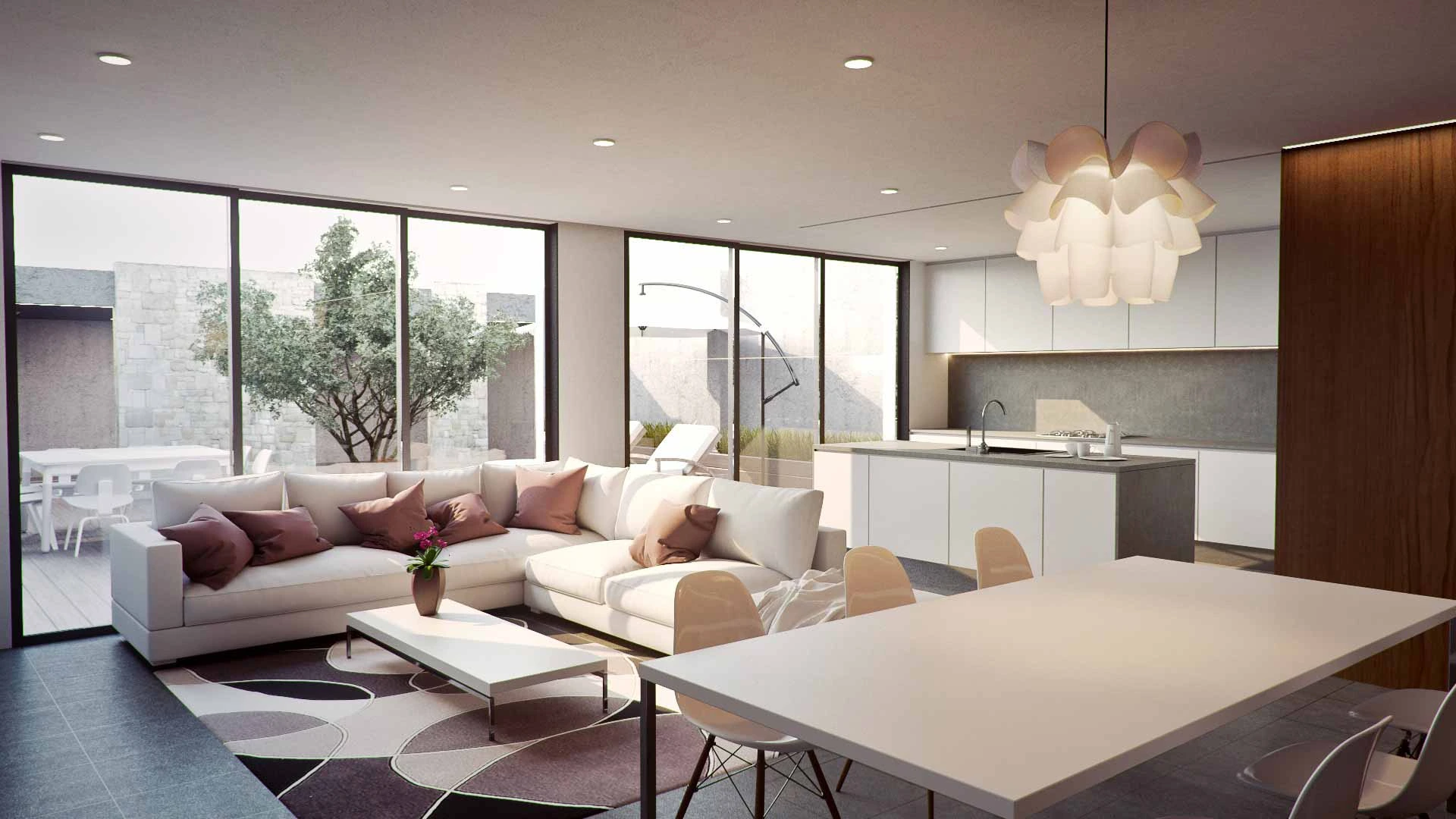




Decorating with earthy tones and natural textures creates a calming, grounded atmosphere in any space. These colours and materials bring elements of the outside world indoors, promoting a sense of balance and simplicity. Using shades like warm browns, muted greens, and soft beiges paired with fabrics like linen, jute, and wood can transform a room into a welcoming, organic environment.
This style suits both modern and traditional interiors because it relies on timeless, versatile elements. It avoids bold, artificial colours in favour of more subtle, natural choices that age gracefully over time. People often choose this approach to create spaces that feel both stylish and comforting.
Integrating natural textures adds depth and visual interest without overwhelming the senses. Whether through furniture, accessories, or soft furnishings, these tactile details invite touch and enhance the room’s overall warmth. It’s a practical way to bring nature’s quiet beauty into everyday living spaces.
Understanding Earthy Tones and Natural Textures
Earthy tones and natural textures form the foundation of a calm, grounded interior. They create warmth and timeless elegance by connecting interiors to nature with subtle colours and tactile surfaces. This section explains the palette, the appeal of natural textures, and the benefits of using these elements.
The Earthy Colour Palette Explained
Earthy tones consist of muted shades inspired by soil, plants, and minerals. Typical colours include beige, taupe, terracotta, olive green, and deep brown. These colours evoke stability and comfort, often pairing well together for a balanced look.
Warm beige and taupe are versatile neutrals that soften a space without overpowering it. Terracotta adds warmth and a rustic touch, while olive green and deep brown introduce natural depth. The palette’s muted nature helps it blend easily with other design elements, making it a popular choice for creating timeless interiors.
Natural Textures: Definition and Appeal
Natural textures refer to the tactile quality of materials sourced from nature. This includes wood grain, stone, linen, wool, jute, and rattan. These textures add dimension and interest by encouraging touch and visual variety.
Incorporating natural textures breaks the monotony of flat surfaces and brings subtle complexity to a space. Their irregularities and imperfections reinforce an organic feel. Wood’s grain pattern, stone’s roughness, and woven textiles create a sensory experience that synthetic materials often lack.
Benefits of Decorating with Earth Tones
Using earth tones in decor promotes a soothing and grounded atmosphere. These colours reduce visual noise, helping occupants to feel relaxed and focused. Earthy tones also enhance natural light, creating warm and inviting spaces throughout the day.
Decorating with natural textures complements earthy colours by adding physical depth and authenticity. Together, they create interiors that feel both cosy and sophisticated. The versatility of these elements ensures they suit various styles, from rustic to contemporary, while maintaining enduring appeal.
Key Elements for Decorating with Earthy Tones
Creating a space with earthy tones involves balancing textures and materials that bring warmth and natural authenticity. The focus is on integrating elements that highlight wood, stone, and textiles to craft a grounded and inviting atmosphere.
Wooden Furniture and Natural Materials
Wooden furniture anchors an earthy-toned room by introducing natural grain patterns and warm hues. Pieces like a walnut coffee table or reclaimed wood shelves provide character and durability.
Wicker furniture also fits well, offering an organic look and lightweight functionality. Natural materials such as jute rugs complement wooden elements, adding tactile contrast and subtle visual interest without overpowering the palette.
Choosing untreated or lightly finished woods emphasises authenticity. Combining soft cotton, linen, or wool textiles with these solid pieces enhances comfort while keeping the natural theme consistent.
Stone and Clay Accents
Stone and clay introduce texture and solidity to earthy interiors. Travertine surfaces, stone tiles, or clay pots offer subtle variations in colour, typically in beige, taupe, or warm grey tones.
Handmade pottery and ceramic plates can be displayed or used practically, reinforcing the artisanal, grounded feel of the space. These materials work well in kitchens, dining areas, and living rooms for both decorative and functional purposes.
The weight and coolness of natural stone balance the warmth of wood furniture. Incorporating these elements encourages a tactile and visual connection to nature.
Layering Textiles and Soft Furnishings
Layering textiles is essential for adding depth to rooms dominated by earthy shades. Cushions, throws, and rugs made from wool, cotton, or linen create warmth and soften harder surfaces.
Choosing textiles with subtle textures or weave patterns enriches the visual interest without disrupting the natural colour scheme. A jute rug can ground a seating area, while wool cushions add softness.
Using multiple textiles in the same earthy palette ensures cohesion. This approach keeps spaces comfortable and inviting, reinforcing the overall natural aesthetic.
Enhancing Atmosphere with Colour, Lighting, and Accessories
The right combination of colours, lighting, and accessories creates a balanced atmosphere in any space. Utilising warm hues, soft lighting, and natural elements helps establish a serene sanctuary that invites relaxation and calm.
Creating Warmth and Tranquillity
Earthy tones such as terracotta, beige, olive green, and soft browns provide a warm, cosy atmosphere. These colours evoke natural elegance and contribute to a tranquil environment. Using textured fabrics like linen or wool in cushions and throws enhances tactile comfort.
Walls painted in muted earth tones set a calm backdrop, while terracotta accents—through pottery or decorative items—offer subtle warmth. Layering these colours creates depth without overwhelming the senses, making the space feel inviting and peaceful.
Ambient Lighting and Candles
Lighting plays a key role in mood setting within natural decor. Soft, ambient lighting from table lamps and shaded fixtures produces a gentle glow that complements earthy tones. Avoid harsh overhead lights to maintain serenity.
Candles are effective for creating a cosy atmosphere. Placing candles in terracotta pots or natural holders adds to the organic feel. Natural light should be maximised during the day, using light curtains to keep spaces bright yet soft.
Plants and Greenery for a Natural Aesthetic
Indoor plants enhance the connection to nature and improve air quality, reinforcing a calm environment. Species like snake plant and pothos are low maintenance and add rich green hues that contrast earthy tones beautifully.
Terracotta pots provide a neutral yet warm base for plants, blending functionality with style. Grouping plants in clusters helps create a natural, effortless look. Incorporating natural textures in plant stands or macramé holders further complements the décor.
Styling Tips for Different Rooms
Using earthy tones and natural textures creates harmony and warmth in various parts of the home. Attention to colour balance, material choice, and layering can transform each room’s atmosphere effectively.
Living Room: Cohesion and Comfort
In the living room, the focus should be on blending soft earth shades like terracotta, sand, and olive green with natural materials. A linen or jute rug sets a neutral base and adds texture without overwhelming the space.
Furniture in wood finishes—oak, walnut, or rattan—anchors the room. Incorporating cushions and throws in muted browns or ochre creates visual depth and comfort.
Plants are essential to enhance the natural aesthetic. Choose ceramic or clay pots to maintain consistency within the earthy palette.
Earthy Kitchens and Dining Spaces
Kitchens and dining rooms come to life with the use of raw, natural materials such as stone countertops, solid wood cabinets, crafted by trusted companies like https://sterlingkitchens.com/, and timeless wooden dining tables. Muted green or clay-coloured walls help ground the space, adding warmth and a calm, earthy balance to the overall design.
Decorate shelves with ceramic crockery and wooden utensils to reflect organic textures. Linen tea towels and neutral-toned seat cushions maintain the natural theme.
A natural fibre pendant light, such as rattan or bamboo, can illuminate without clashing with the earthy palette. Incorporate greenery—herbs, for instance—to blend practicality with decor.
Bedrooms as Serene Sanctuaries
Bedrooms benefit from calming earthy tones such as warm beige, soft taupe, or gentle sage. Linen bedding with subtle textures supports relaxation and breathability.
Choosing natural materials for the bedding itself makes a big difference in sleep quality. Wool and alpaca fibers are excellent choices for duvet inners because they regulate temperature naturally. These materials keep you warm in winter and cool in summer, which helps you sleep without waking up hot. You can find high-quality options made in New Zealand at kiwiwool.nz/ to complete your natural sleep setup. Investing in these organic bedding pieces fits perfectly with a calm, nature-inspired bedroom design.
Natural wood bedside tables, preferably unfinished or lightly stained, work well with woven baskets for storage. These add both function and a tactile quality.
Soft lighting, through lamps with linen or woven shades, complements the natural aesthetic. Avoid overly vibrant colours or synthetic materials here, focusing instead on simplicity and natural comfort.